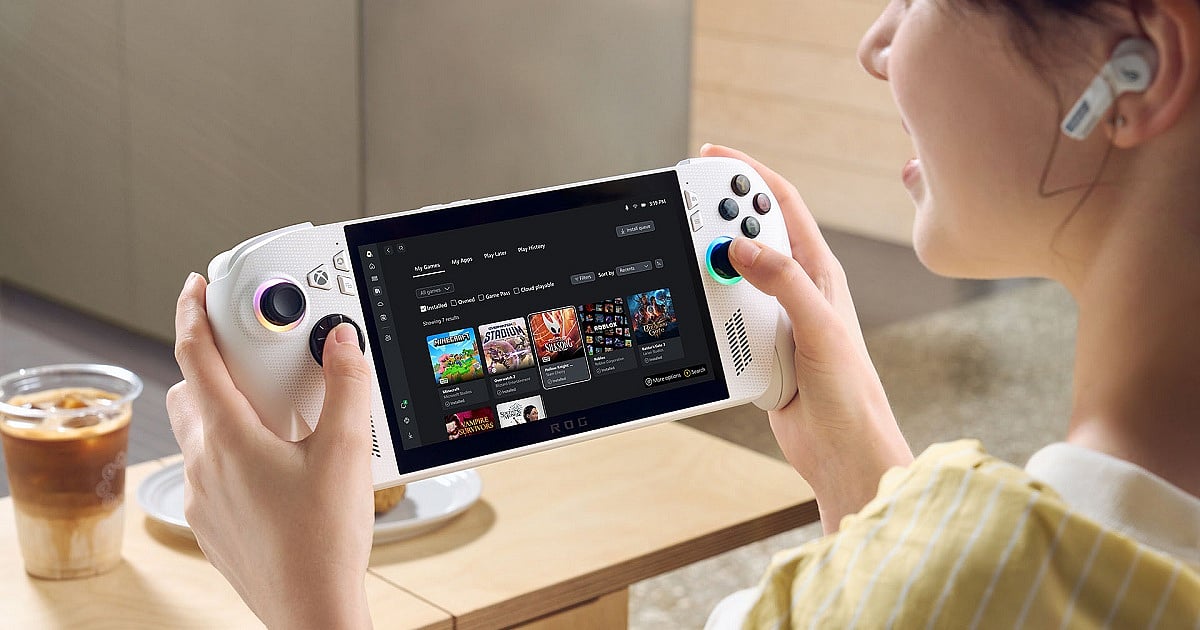






Steam Deck
The Indie Game Discovery Problem is Getting Worse
Over 20K games launched on Steam in 2025, but most of them failed with game discoverability and being a huge problem.

Highlights
- Over 20K games launched on Steam in 2025, with nearly half receiving fewer than ten user reviews.
- TikTok's organic reach collapse in early 2025 eliminated what had been the most effective free marketing channel for indie developers.
- Steam Next Fest remains one of the most powerful discovery tools available to indie developers.
Over 20K games launched on Steam in 2025, more than double the 9,654 released in 2020. Valve's introduction of Steam Direct in 2017, which replaced the old Greenlight curation system with a flat $100 submission fee, was a deliberate democratization of game publishing. It worked exactly as intended. The doors opened. The games flooded in. And the discovery problem, which was already present before the flood, became significantly more severe with each passing year.
According to SteamDB, almost half of 2025's releases, roughly 9,370 of more than 20K games, earned fewer than ten user reviews. Around 2.2K received none at all. These are not all shovelware games that deserve no attention. Some of them are extraordinary games made by small teams who simply could not cut through the harsh algorithm that’s only getting harder to capitalize on.
Why The Steam Algorithm Works Against Indie Devs
Steam's discovery algorithm works based on your purchase history, wishlist activity, and the behaviour patterns of people with similar histories. It optimizes for purchasing probability for Steam itself. A game that your purchase history suggests you might buy is shown to you. However, a game that you might love but has no connection to your purchase history does not show up in the algorithm at all.
Steam’s algorithm is a deeply conservative one. A game that is genuinely new, that sits in a niche nobody has bought from before, or that crosses genres in unexpected ways, has almost no organic path to discovery through the platform. Steam's recommendation system now weighs user reviews, wishlist velocity, and community engagement more heavily than traditional metrics. This shift has created both unprecedented opportunities and new challenges for independent developers. A game that builds a community before launch can generate the wishlist needed to succeed. However, the challenge is that building that community requires resources, time, and skills that are entirely separate from making the game itself.
Research shows that 66% of games released on Steam in the past year garnered fewer than 10K wishlists, with 29% failing to reach even 1K wishlists. The wishlist numbers are what the algorithm uses to determine how much visibility to give a game at launch. A game with 100K wishlists gets a launch-week boost that can sustain its visibility for weeks. A game with 500 wishlists gets almost nothing from the platform and is immediately competing against everything else that launched that day.
The Social Media Trap
For most of the early 2020s, the common advice to indie developers who could not crack Steam's algorithm was to build on social media. TikTok in particular became a genuine discovery channel for games that the platform's algorithm would never have surfaced. Devlog content, development process videos, and short gameplay clips could generate millions of organic views for developers with no marketing budget, and that attention converted into wishlists and sales.
At the beginning of 2025, there was a dramatic collapse in organic reach for the exact same content strategies that once delivered millions of views. Getting substantial promotion now typically requires a paid marketing campaign. The same devlog content that hit 800K views in 2024 now averages 300 to 800 views. So what led to the decline? Algorithmic deprioritization of the devlog humor format is what hurt indie games. The regulatory uncertainty around TikTok's U.S. operations flattened the momentum such content gained at the time.

Pexels
Paid promotion budgets of $500 to $2K are now recommended for TikTok indie campaigns, sitting above most solo developer budgets. Wishlist conversion on TikTok-driven traffic runs below 1% even on viral hits. The platform that was the most accessible free marketing channel available to indie developers is now, for most of them, either inaccessible or ineffective.
The AI content problem compounds all of this. Roughly 8K Steam games flagged AI-generated content in just the first half of 2025, compared to about 1K across all of 2024, an eightfold jump in a single year. By late 2025, around one in five new releases carried an AI disclosure. The sheer volume of low-effort AI-generated games makes every genuinely crafted game harder to find.
What Actually Works
The honest answer is that nothing works reliably. But some things work better than others, and the pattern that emerges from looking at successful indie launches in 2025 and 2026 points in a fairly consistent direction.
Steam Next Fest remains one of the most powerful discovery mechanisms available to developers who can access it. One indie game saw a 51,500% increase in players during a Next Fest event, going from three players to tens of thousands in a single week. The event works because it gives games with no existing visibility a concentrated window of platform-level promotion that the normal algorithm would never provide. Getting into Next Fest with a strong demo is now a more reliable path to early visibility than almost any external marketing channel.
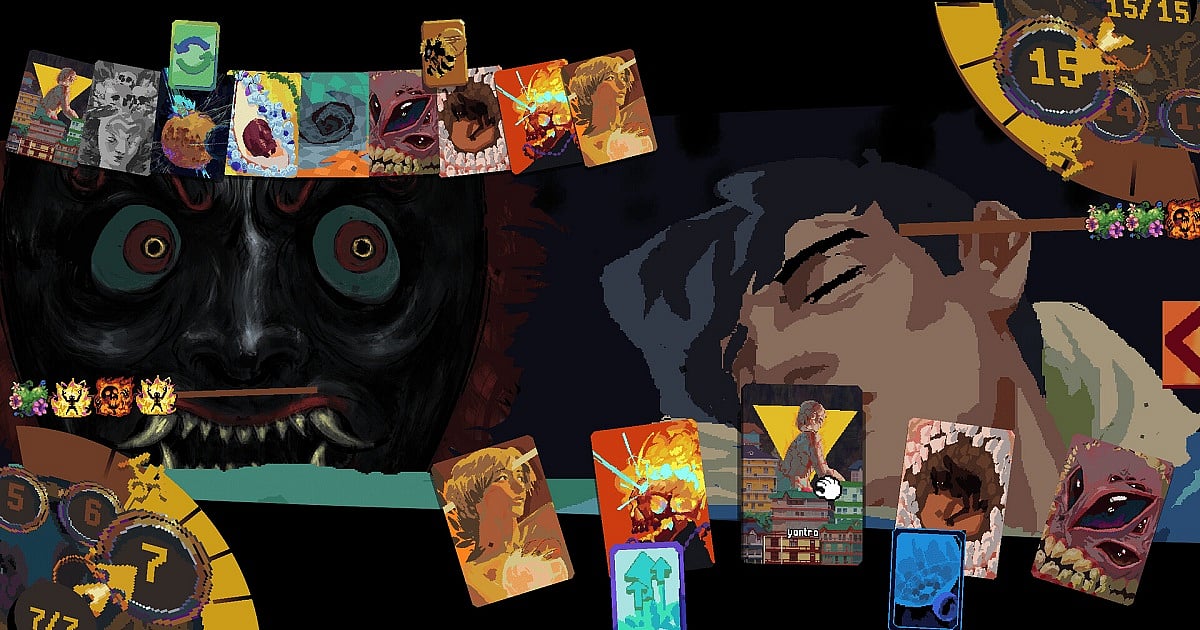
Heat Death Studio / Steam
Community building before launch, done through Discord servers, Reddit engagement, and niche content communities rather than broad social media, has produced more durable results than viral moments. A small community of genuinely invested players generates better review velocity at launch, more organic word of mouth, and higher conversion rates on the Steam page than a spike of social media traffic from people who have no prior investment in the game. The conversion math on community-driven traffic is simply better.
YouTube remains a more reliable discovery channel than TikTok for games that generate the kind of content that YouTube's longer-form audience engages with. A single video from a mid-tier creator with a relevant audience can move wishlist numbers in ways that hundreds of short-form clips no longer reliably do. The challenge is that creators with relevant audiences are inundated with game review requests, and smaller studios have almost no leverage in those conversations.
Publishers and co-publishing arrangements have become more attractive to some developers not because of the funding they offer but because of the marketing infrastructure and storefront relationships that come with them. Being able to get a game into a Steam sale with highlighted placement, or into a bundle with a built-in audience, is worth real money in discovery terms.
Not every developer reads the algorithm shift as purely negative. Mridul Pancholi of Heat Death Studio, whose narrative card game Appa crossed 5K wishlists with minimal marketing ahead of its launch, sees the changes as a potential rebalancing. He told us in an interview, "At first we were a bit worried about the new Steam changes but now we think it might be a good decision for Indies. We are not completely reliant on wishlists as a metric, and Steam can help us hyperfocus on trying to find the right players for our game using the new Tags system and the calendar system. I think we can have a much bigger focus on trying to make the best game now."
It is a more optimistic reading than most developers currently hold, but it points to something real: a discovery system that prioritizes tag relevance and timing over raw wishlist momentum could, in theory, be better for games that serve a specific and passionate niche than one that simply rewards whoever builds the biggest pre-launch audience.
Tim Bender, the CEO of Manor Lords and Against the Storm publisher Hooded Horse, has argued publicly that publishers should be willing to take a loss on individual games because they can afford to spread risk across a portfolio in ways individual developers cannot. That argument is primarily about financial sustainability, but it applies equally to marketing. A publisher can spread a marketing budget across a slate of games and absorb the failures, to potentially offset the marketing problems indie games are going through. Whether publishers actually decide to follow Bender’s argument is a different story altogether.
What the Industry Needs to do
When discovery is primarily driven by algorithms, social media virality, and creator relationships, the games that get found are disproportionately the ones that fit the formats those systems reward. A short, visually striking game that clips well on social media has a structural advantage over a long, slow, narratively complex game that requires 50 hours to reveal what makes it special. Neither is inherently better than the other, but the discovery environment we have built systematically advantages one and disadvantages the other.
Despite its issues, Steam doesn't promote games randomly. Visibility is a formula of engagement rate multiplied by traffic volume, plus conversion quality measured through wishlist-to-purchase rate, review score, and playtime. Many argue that the formula can be understood and partially optimized for by developers to succeed.
However, optimizing for a formula is not the same as making the best possible game. The pressure to do both simultaneously, with a small team and limited resources, is one of the more quietly damaging forces operating on independent game development right now.
The games being buried have some hidden gems that never get the attention they deserve. The systems that were supposed to surface them are not working well enough, and the alternatives that partially filled that gap are closing down. It is one of the more structurally significant challenges the games industry is currently failing to solve.

Author
Abhimannu Das is a web journalist at Outlook India with a focus on Indian pop culture, gaming, and esports. He has over 10 years of journalistic experience and over 3,500 articles that include industry deep dives, interviews, and SEO content. He has worked on a myriad of games and their ecosystems, including Valorant, Overwatch, and Apex Legends.
Abhimannu Das is a web journalist at Outlook India with a focus on Indian pop culture, gaming, and esports. He has over 10 years of journalistic experience and over 3,500 articles that include industry deep dives, interviews, and SEO content. He has worked on a myriad of games and their ecosystems, including Valorant, Overwatch, and Apex Legends.