





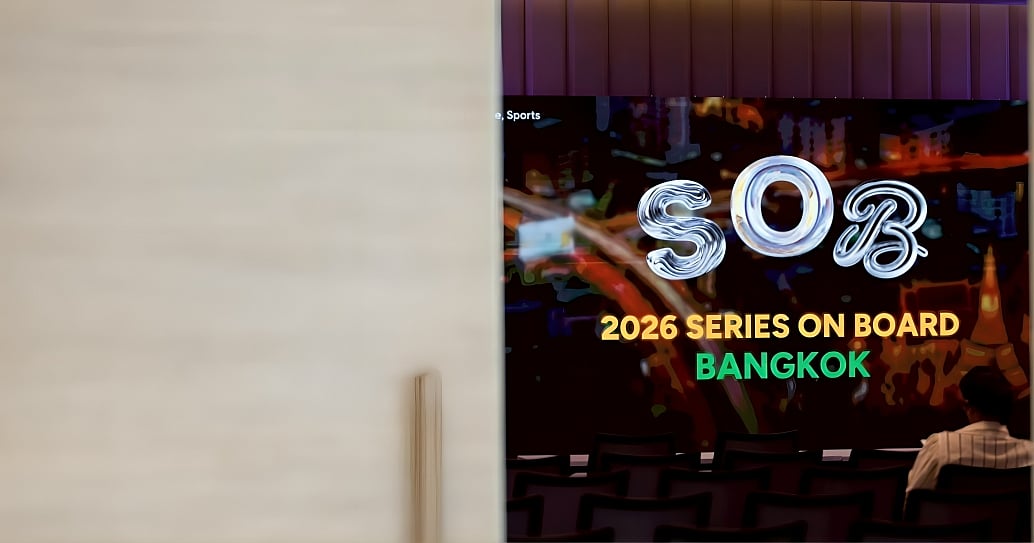
KOCCA's Series on Board B2B trade event in Bangkok welcomes IP pitches, format licensing and regional co-production.
How South Korea is Reinventing its K-Drama Business with Thailand
Seoul turns to regional production hubs in Southeast Asian countries like Thailand, while also looking at format licensing to reduce production costs and maximize legacy K-drama revenue.

Highlights
- South Korea is converting completed K-dramas into adaptable formats to expand IP lifecycles while also trying to reduce overseas production costs.
- South Korean government agency KOCCA, is increasingly conducting B2B roadshows in Asia after its Tokyo trade event generated $131M in business consultations to drive regional co-productions.
- Popular entertainment company, CJ ENM, is remaking Korean hits through Southeast Asian production hubs to target fast-growing regional markets.
South Korea’s media industry is trying to execute a fundamental shift in its global expansion strategy. It is now shifting away from just exporting finished domestic television shows to act as a global creator of adaptable intellectual property.
After identifying the rising domestic production budgets and narrowing global buyer spending, Seoul’s media companies and state agencies are together treating Korean stories as flexible IP frameworks. By routing formats via overseas production hubs, South Korean firms are aiming to gain lower-cost manufacturing, to possibly safeguard their balance sheets against single-market risk, while extending the revenue lifecycle of legacy catalogs through emerging streaming markets.
State-Backed B2B Pipeline
According to The Seoul Economic Daily, at the center of this radical transition is a state-funded push to build a global dealmaking structure for domestic creators. Notably, South Korea’s Ministry of Culture, Sports and Tourism and the Korea Creative Content Agency (KOCCA) are actively scaling their "Series on Board" B2B roadshows.
These trade events offer an organized matchmaking process between domestic South Korean production houses like KBS, SLL, Studio Flow, and Mr. Romance, amongst others, and overseas broadcasters, streaming platforms, and institutional investors. The initiative’s commercial traction was demonstrated at KOCCA’s Tokyo roadshow in May 2026, where the scale of 136 business consultations reached $131.15 million USD, with contracts worth $1.9M in negotiation.
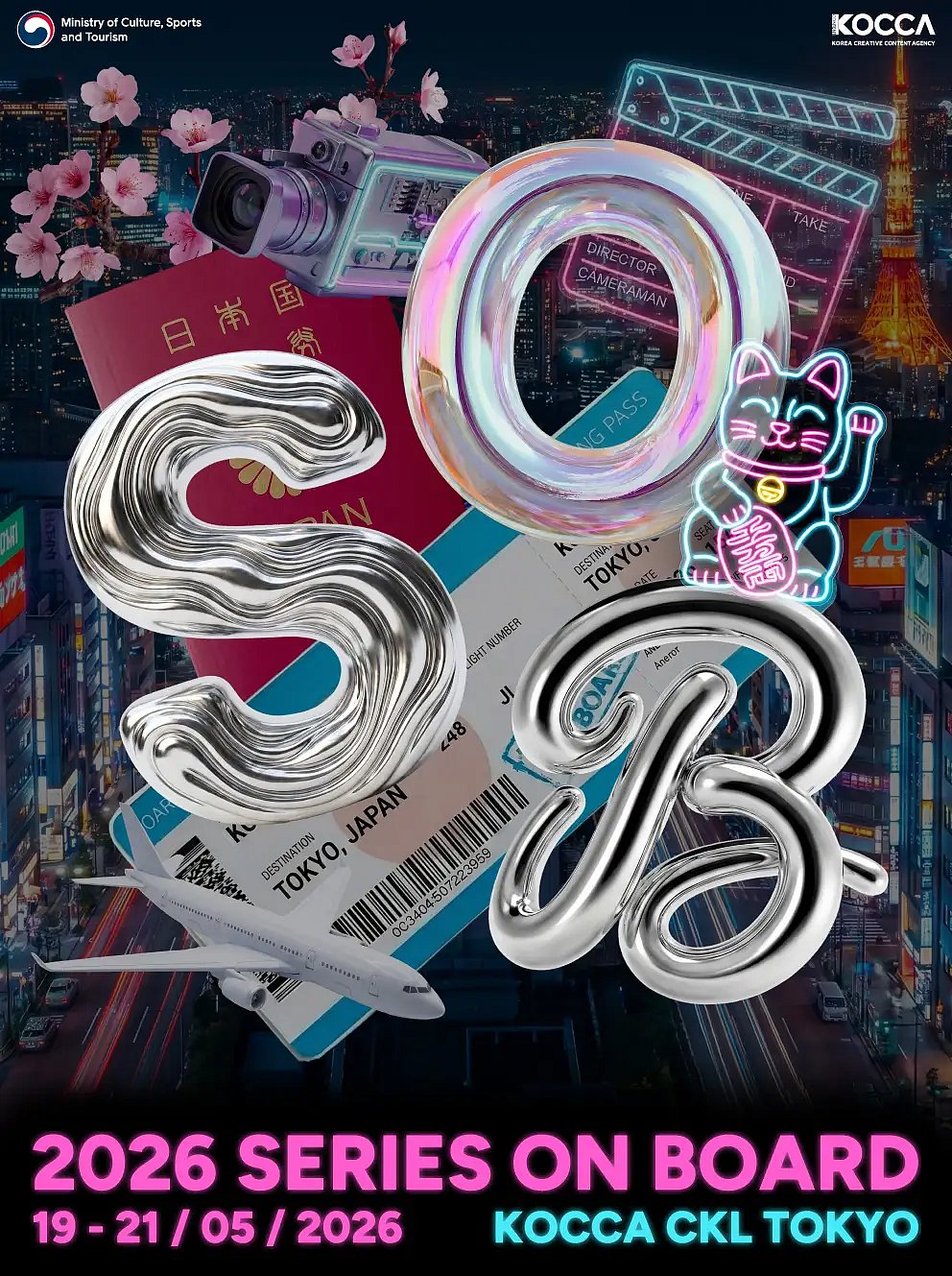
'2026 Series On Board' by KOCCA CKL TOKYO
After that event, KOCCA brought 12 production firms to Bangkok, Thailand, where they pitched various scripted and unscripted formats. The event was held between July 20 and 22, 2026, with planned expansions to Canada and the United Kingdom later this year to target Western capital.
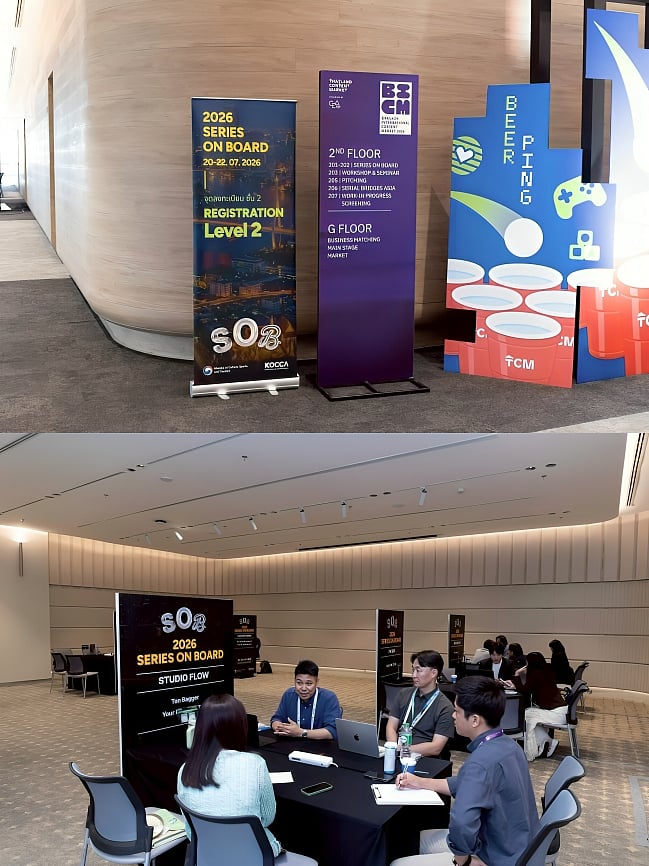
'2026 Series On Board' at Bangkok International Content Market (BICM) 2026, Thailand Content Market. (Image Courtesy: BICM FACEBOOK)
Monetizing Proven IP via Local Remakes
On the corporate side, media giant CJ ENM Co. is institutionalizing this policy shift via a multi-tier format localization model managed by its Southeast Asian regional hubs, CJ HK Entertainment (Vietnam) and True CJ Creations (Thailand).
As reported by the Korea JoongAng Daily and The Korea Herald, CJ ENM is not completely dependent on direct foreign sales of original South Korean broadcasts like K-dramas, variety shows, and others. Instead, it is using its Thailand base to remake catalog hits into localized foreign-language series.
Various Thai adaptations of flagship K-drama hits like Good Doctor, Signal (remade as 23:23), and What’s Wrong With Secretary Kim (remade as Dear My Secretary), are now being exported to emerging markets like India. These shows will primarily be showcased on ad-supported platforms like Amazon MX Player.
By distributing these remade K-drama IPs on digital platforms of rapid-growing markets, the company seems to be testing if proven story concepts can travel across nations via local productions. Although the strategy could expand the commercial life of already existing franchises, while widening their geographical reach, its long-term economic performance will rely on audience reception and viewership demand instead of the licensing model alone.
Trade Infrastructure and Host-Market Economics
Concurrently, Thailand is building out its own trade infrastructure under its "Content Thailand" soft-power drive. According to The Hollywood Reporter, through this initiative, the country aims to compete with established hubs in Hong Kong, Singapore, and Busan in South Korea.
The Creative Economy Agency (CEA) of Thailand launched its first Bangkok International Content Market (BICM 2026), bringing together over 80 global investors. Reportedly, it also featured 500 exhibitor booths, and a pitch competition worth about $20,000 in prize money.
Building on $200M in Netflix spending between 2021 and 2024, The Hollywood Reporter notes CEA Executive Director Chakrit Pichyangkul citing data that depicts a 1.8x economic output per baht (Thai currency) invested. This highlights the Thai government’s efforts to build local entertainment and its screen production into a long-term growth engine with sustainable commercial value.
Although strictly a Thai state initiative, BICM’s launch overlapped with the dates of South Korea’s "Series on Board" roadshow, creating a separate opportunity for domestic and cross-border dealmaking. The alignment of the events seem to offer mutual leverage to both countries. As Thailand gains foreign production volume and capital for its domestic studios, South Korean media companies obtain the low-cost manufacturing base which is needed to scale their IP across wider Asian markets.

Author
Diya Mukherjee is a Content Writer at Outlook Respawn with a postgraduate background in media. She has a passion for writing content and is enthusiastic about exploring cultures, literature, global affairs, and pop culture.




Related Articles