




Highlights
- The AI boom is causing severe RAM and SSD shortages, effectively paralyzing the consumer PC building market with sky-high component costs.
- Major brands like ASUS and MSI face record-low motherboard shipments, with ASUS plunging 33% in its worst year in over a decade.
- Chipmakers are abandoning consumer DRAM for high-margin High Bandwidth Memory, ensuring inflated costs and hardware delays persist well into 2027.
The global memory shortage driven by the artificial intelligence boom has officially paralyzed the PC building community, leaving major motherboard manufacturers facing a historic collapse. With RAM and SSD components becoming too scarce and expensive to buy, everyday consumers are simply walking away from upgrading or building new computers. The world continues to suffer from this hardware drought as data centers and massive multinational tech companies consume existing memory supplies to power generative AI, leaving the enthusiast PC market starving for parts.
The dilemma for the average gamer is simple but frustrating. While motherboards themselves do not rely on memory technology to be built, consumers are far less likely to purchase new boards if they cannot afford the exorbitantly expensive RAM and SSDs required to finish their builds. In other words, why would anyone buy a new motherboard if they cannot afford the memory that slots into it? Combined with the fact that upgrades are becoming less and less significant for mid-to-high-end PCs, consumer interest in new motherboards has completely evaporated.
Adding fuel to this fire are devastating geopolitical disruptions. The closure of the Strait of Hormuz—a crucial global shipping lane—has severely exacerbated the shortage, as supply lines have been ravaged by the ongoing war in Iran. This has dropped global consumer memory inventories, guaranteeing that the cost of building or buying a new computer will continue to skyrocket for the foreseeable future.
MSI
ASUS & MSI Face Record-Low Shipments
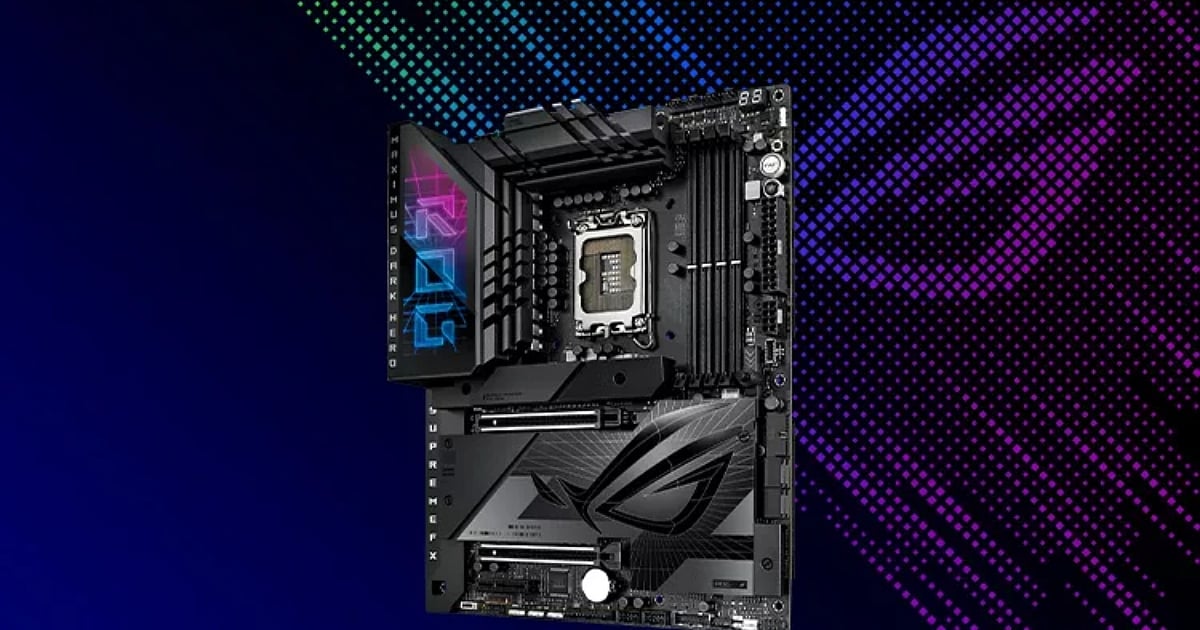
According to a report from Digitimes, as cited by PC Gamer, this perfect storm has caused a catastrophic retail slump for major motherboard companies like ASUS, MSI, Gigabyte, and ASRock. ASUS has managed to sell only 5 million motherboards in the first half of 2026, as per the Gamer.
The company has lowered its full-year target to just 10 million units, which represents a staggering 33% drop from the 15 million boards it moved in 2025. If this 10 million estimate proves accurate, it will mark ASUS's absolute worst year in over a decade.
Other major players are feeling the exact same pain in this downward spiral. MSI has been forced to revise its forecast down to 8.4 million units from an original 11 million. Gigabyte has also cut its expectations from 11.5 million down to 9 million units, while ASRock faces similar cuts amid a brutal 37% year-over-year decline.
The AI Pivot
The root of this motherboard meltdown is a zero-sum game played by the world’s largest memory chipmakers. Tech titans like Samsung, SK Hynix, and Micron have aggressively moved their production capacity away from consumer-grade DRAM and NAND flash memory to focus on high-margin High Bandwidth Memory.
For the average office worker or gaming hobbyist, this shift translates to a direct hit on the wallet. Major PC vendors, including Lenovo, Dell, HP, Acer, and ASUS, have warned of 15% to 20% price hikes on finished systems through late 2026. This surge in component costs is expected to cause global PC shipments to drop by 11% this year, making the upcoming end-of-life hardware refresh a financial nightmare for many users.
All in all, like everything currently associated with generative AI, this series of events seems overwhelmingly negative for consumers and hobbyists. It is increasingly difficult to know what the future of personal PC building looks like, especially as recent geopolitical events have revealed just how vulnerable global trade really is.
With new manufacturing facilities still years away from being fully operational, analysts warn that these severe shortages and inflated costs will plague the PC community well into 2027.