




AI Forces GPU Cuts
NVIDIA RTX 50 Series Shortage: AI Forces Production Cuts
AI demand creates a looming RTX 50 series shortage, driving up GPU prices. As manufacturers shift focus to data centers, gamers face a costly 2026.

Highlights
- AI demand forces a massive RTX 50 series supply cut.
- Memory chip shortages are set to spike GPU prices in 2026.
- Gamers urged to upgrade now before AI dominates production
Gamers and PC builders waiting for next year to upgrade their rigs might want to pull the trigger sooner rather than later. Supply chain reports indicate that 2026 will bring a sharp rise in Graphics Processing Unit (GPU) prices, driven by the same soaring memory chip costs currently plaguing the RAM market. With major manufacturers shifting focus to Artificial Intelligence (AI) data centers, the resulting shortage of consumer-grade memory is expected to hit both AMD and NVIDIA hard, potentially ending the current period of stabilizing prices.
The most immediate financial threat comes from the rising cost of VRAM and standard system memory. Wholesale prices for DDR5 modules and storage have already jumped, with retail instances seeing spikes of over 100%.
This surge is largely attributed to a supercycle where memory giants like Samsung, SK Hynix, and Micron are prioritizing high-profit High Bandwidth Memory (HBM) for AI hardware over standard consumer components. Consequently, Strategic capacity shifts at these companies have reduced standard DRAM and NAND output, creating a supply crunch now rippling into the GPU market.
NVIDIA
RTX 50 Series Shortage and Price Hikes
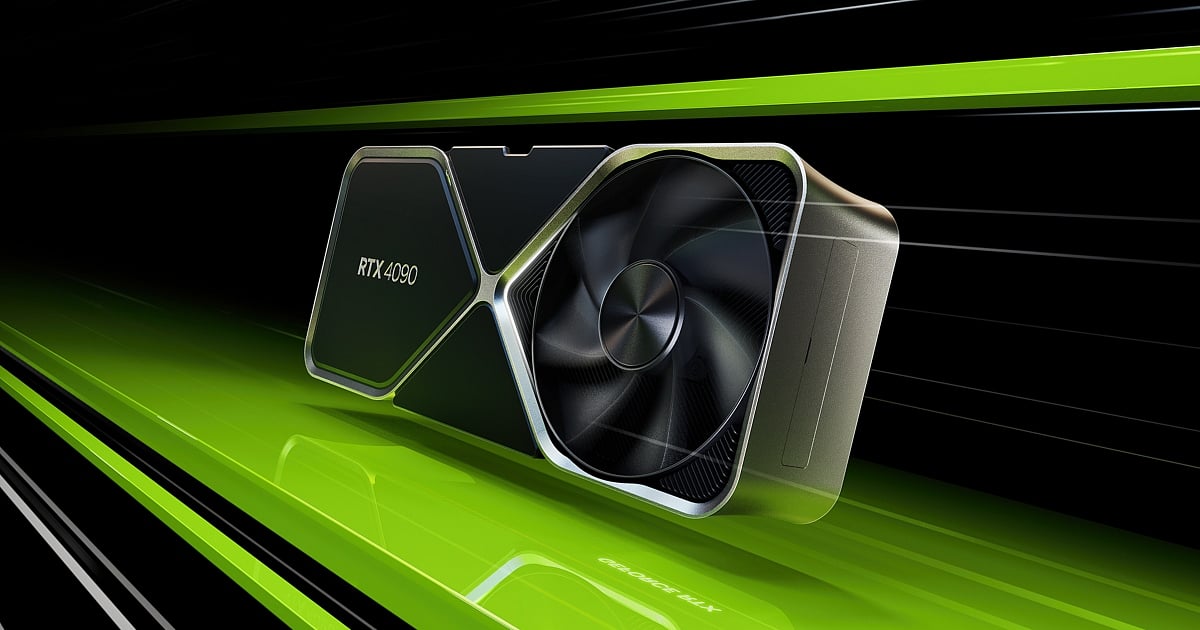
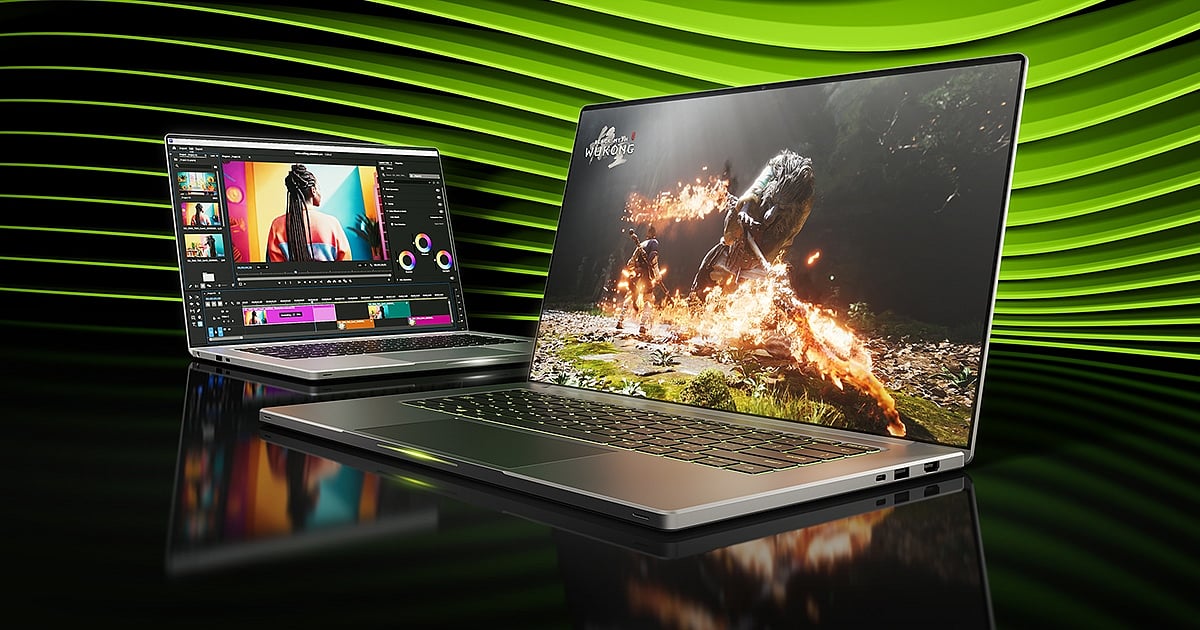
NVIDIA users face a particularly complex scenario. Reports suggest NVIDIA might reduce the supply of its upcoming RTX 50 series by 30% to 40% due to GDDR7 shortages. The RTX 5060 Ti 16GB and RTX 5070 Ti are supposedly the first in the firing line as the company struggles to acquire enough memory to keep producing GPUs at its current rate.
This suggests the company is planning to sacrifice sales of its GeForce RTX 50 series to allocate limited memory resources to its non-GeForce RTX PRO series, which generates significantly more profit. AMD appears to be the first to signal clear price warnings to its partners. The company has reportedly alerted them to expect a baseline price increase of at least 10% across its lineup for early 2026.
The impact will likely be uneven, as Nvidia will likely focus more on high-end GPUs and low-end GPUs that have lower memory. This comes at a time when cards like the RX 9070 are already struggling to stay near their $600 MSRP despite recent discounts.
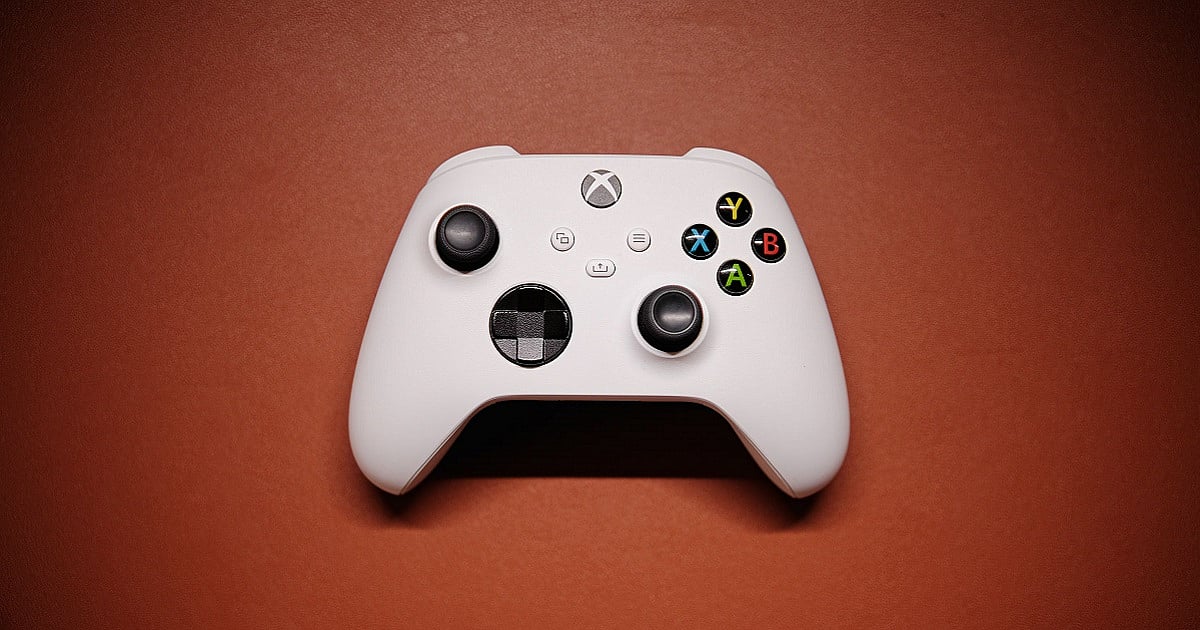
The financial strain is also impacting consoles and game development. With single sticks of RAM currently costing more than a PS5 in some markets, manufacturers like Xbox are being forced to raise hardware prices. The shortage is also affecting game creation; Larian Studios, the developers behind Divinity, recently admitted that the RAM shortage is forcing them to do significant optimization work in early access that they hadn't planned for.
With production expenses climbing across sectors, industry experts urge gamers to buy components now before Q1 2026 contracts lock in elevated baselines.

Author
Krishna Goswami is a content writer at Outlook India, where she delves into the vibrant worlds of pop culture, gaming, and esports. A graduate of the Indian Institute of Mass Communication (IIMC) with a PG Diploma in English Journalism, she brings a strong journalistic foundation to her work. Her prior newsroom experience equips her to deliver sharp, insightful, and engaging content on the latest trends in the digital world.
Krishna Goswami is a content writer at Outlook India, where she delves into the vibrant worlds of pop culture, gaming, and esports. A graduate of the Indian Institute of Mass Communication (IIMC) with a PG Diploma in English Journalism, she brings a strong journalistic foundation to her work. Her prior newsroom experience equips her to deliver sharp, insightful, and engaging content on the latest trends in the digital world.




Related Articles