




Vintage Gaming Cartridges
Gaming is Getting More Expensive and People Can’t Keep Up
From hardware to subscriptions to live service games, the cost of gaming keeps climbing. What happens to the players who cannot keep up?

Highlights
- The global gaming subscription market reached $14.3B in 2025, up from $11.53B in 2024.
- Subscriptions are now the fastest-growing segment of the entire games industry.
- Mobile gaming, powered primarily by free-to-play models, will continue to get more popular as premium gaming becomes unaffordable.
There is a version of gaming's recent financial history that looks like pure success. The global subscription market reached $14.3B in 2025, up from $11.53B in 2024, growing faster than game purchases and faster than in-game spending. PlayStation Plus holds 47M subscribers. Xbox Game Pass has around 30M. Retention rates across major services reached 81% in 2025, the highest on record. Subscriptions were, according to Circana's Mat Piscatella, the biggest growth driver in U.S. gaming spending in 2025.
That version of the story is accurate and yet incomplete. The same period that produced those subscription numbers also produced consistent hardware price increases, a $10 jump in standard game pricing, and a live service model that has become so dominant that studios without one are increasingly difficult to fund at scale. While the growth is real, so is the audience it is leaving behind, quietly and without much discussion about what happens to them.
The Hardware Wall is Getting Higher
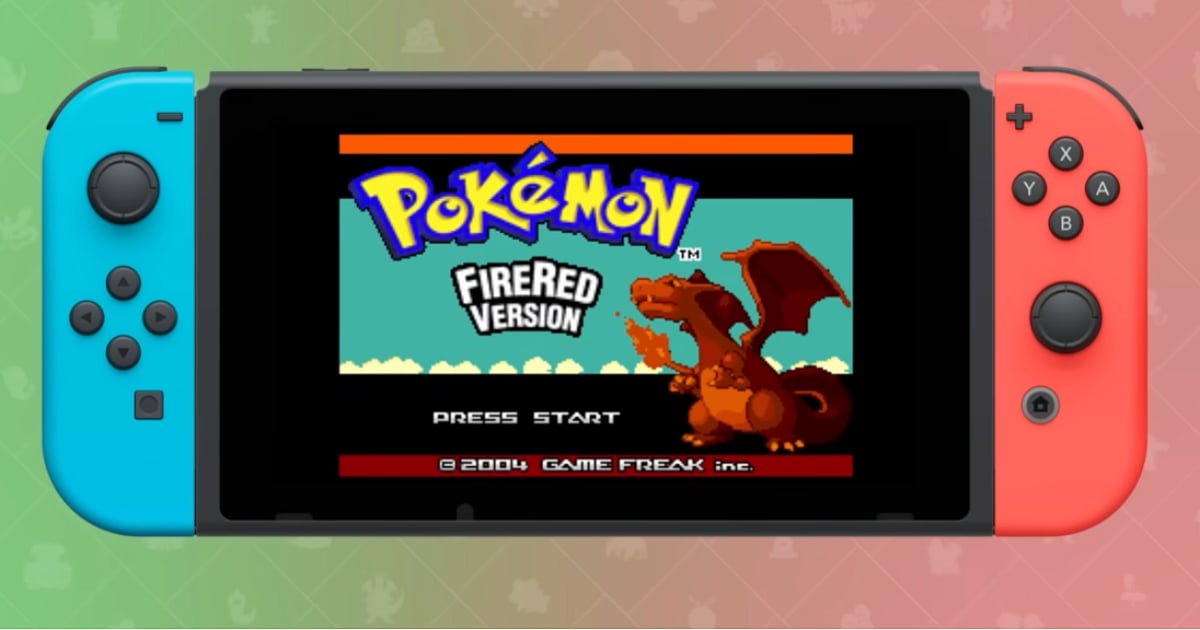
The most concrete expression of gaming's affordability crisis in 2026 is what happened to hardware prices across every major platform simultaneously. In May 2026, Valve raised the price of the Steam Deck OLED by over $200, taking the 512GB model from $549 to $789 and the 1TB version from $649 to $949. Sony raised PS5 prices across its lineup, pushing the standard PS5 to $649.99. Microsoft raised Xbox Series X prices multiple times. Nintendo confirmed the Switch 2 will rise from $449.99 to $499.99 on Sep 1. Every single current-generation gaming platform increased in price within months of each other.
Nintendo
The cause is an AI-driven RAM and storage shortage. Semiconductor manufacturers have been systematically reallocating capacity to AI GPUs since mid-2025, because the profit margins on data center products are dramatically better than the margins on consumer electronics. When those production lines convert, the memory that goes into consoles, handhelds, and gaming PCs becomes scarcer and more expensive. Memory could represent more than 35% of the total component cost for a PlayStation or Xbox in 2026, a proportion that makes the traditional console lifecycle strategy of reducing hardware prices over time nearly impossible to execute.
We are now in a gaming hardware market where entry-level access to current-generation gaming now costs somewhere between $450 and $650 depending on platform, before you buy a single game. For players in markets like India, Southeast Asia, and Latin America where purchasing power parity is not reflected in international retail pricing, these numbers are massive barriers to experiencing gaming.
It’s Not Just Hardware
Hardware is only the first layer of the cost problem. The subscription layer sits on top of it, and is just as problematic. Xbox Game Pass Ultimate is $19.99 per month. PlayStation Plus starts at $9.99. Nintendo Switch Online family plans, Apple Arcade, individual game battle passes, season passes, live service currency bundles, and more pile up costs for gamers.

Pexels
While the numbers seem affordable when you look at them individually, if you want to subscribe to multiple services, the annual costs are almost as much as buying a new console. The subscription model's expansion into hardware is where the live-servicification of gaming becomes most visible. Microsoft has been explicit about wanting to move game purchases toward subscription access rather than ownership. Sony's strategy of building PlayStation Plus into a tiered access model for both its first-party catalog and streaming library follows the same logic.
A subscriber paying $9.99 every month generates more predictable, recurring revenue than a player who buys a couple of games a year. What this creates, at the player level, is a situation where not subscribing increasingly means not having access to the games everyone is talking about. Day-one Game Pass releases are by design available on day one only to subscribers. PlayStation Plus's expanding catalog makes the subscription increasingly difficult to opt out of if you want to play first-party games without paying full price. The choice between subscribing and not subscribing is slowly becoming harder.
What Happens When Gamers Cannot Afford Either
The players who cannot sustain the hardware cost plus the subscription stack plus the individual game purchases do not disappear from gaming. They go somewhere more affordable, and that place is increasingly predetermined.
Mobile gaming captured 49% of total gaming revenue in 2024 at $92.6B, from a base of 3.3B mobile gamers, compared to approximately 630M console players. Free-to-play models generated 85% of all mobile gaming revenue. By 2026, mobile is projected to capture 56-58% of total market revenue as smartphone penetration expands in emerging markets.

Pexels
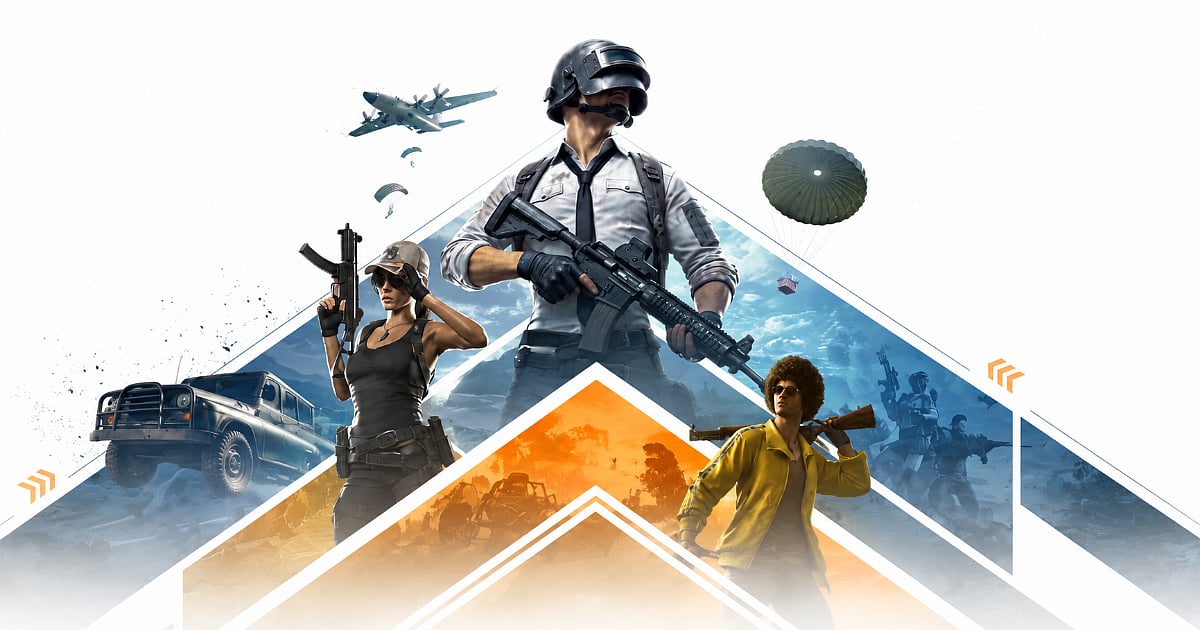
The free-to-play model removes the upfront barrier entirely. You do not need a $500 console, a $70 game, or a $10 monthly subscription to play Fortnite, Genshin Impact, or PUBG Mobile. You need a phone, which the vast majority of people already have. The model works by monetizing engagement, using cosmetics, battle passes, gacha mechanics, and limited-time offers to extract revenue from a percentage of a really large player base rather than full price from a smaller one.
This is not inherently worse than the premium model. Many free-to-play games are genuinely excellent, and the accessibility they provide has brought gaming to audiences that the console market would never have reached. The problem is that the migration to free-to-play by price-sensitive players is not a free choice in markets where the premium alternative has become increasingly expensive.
Players who would have been console gamers in a market with more affordable hardware and software are mobile and free-to-play players, not because that is their preference but because the other options have been progressively priced out of reach.
Is Gaming Restructuring?
The “live-servicification” of gaming is an industry responding to real financial pressures. Development costs have ballooned, marketing costs have grown alongside them, and it’s getting harder to get noticed amidst the sea of releases.
Subscriptions and live services produce more stable, more predictable revenue. It is a sought-after operational advantage for studios and publishers navigating an expensive business. But the effect of the industry moving toward recurring revenue simultaneously is a gaming landscape that costs significantly more to participate in fully than it did five years ago.
Subscription services are the fastest-growing segment of gaming. Hardware prices are at their highest in years and projected to stay there. Game prices at the premium end have moved from $60 to $70, with GTA VI at $79.99. The subscriptions that were supposed to make gaming more accessible have themselves become another line item in a stack that is becoming increasingly difficult to sustain.
The players at the receiving end of all of this are making rational decisions. They are playing mobile games, free-to-play titles, and whatever is on subscription rather than paying for everything individually. What the market data does not show is how many of those players would have chosen in a different cost environment. Only time will tell what happens when the games industry loses the segment of players who cannot afford full participation, and whether that segment becomes large enough to reshape what gets made for them.

Author
Abhimannu Das is a web journalist at Outlook India with a focus on Indian pop culture, gaming, and esports. He has over 10 years of journalistic experience and over 3,500 articles that include industry deep dives, interviews, and SEO content. He has worked on a myriad of games and their ecosystems, including Valorant, Overwatch, and Apex Legends.
Abhimannu Das is a web journalist at Outlook India with a focus on Indian pop culture, gaming, and esports. He has over 10 years of journalistic experience and over 3,500 articles that include industry deep dives, interviews, and SEO content. He has worked on a myriad of games and their ecosystems, including Valorant, Overwatch, and Apex Legends.