




SuperGaming
How SuperGaming’s Prime Rush Reflects a Hard-Earned Global Mindset
SuperGaming CEO Roby John explains the evolution from MaskGun to Prime Rush, building for Brazil, mid-core live games, and why shipping matters more than hype.

Highlights
- SuperGaming’s decade-long journey shows how technical strengths in real-time multiplayer shaped its transition to mid-core games.
- Prime Rush represents a shift from surface-level localization to deep cultural design.
- John outlines why survival today depends on execution, not funding cycles.
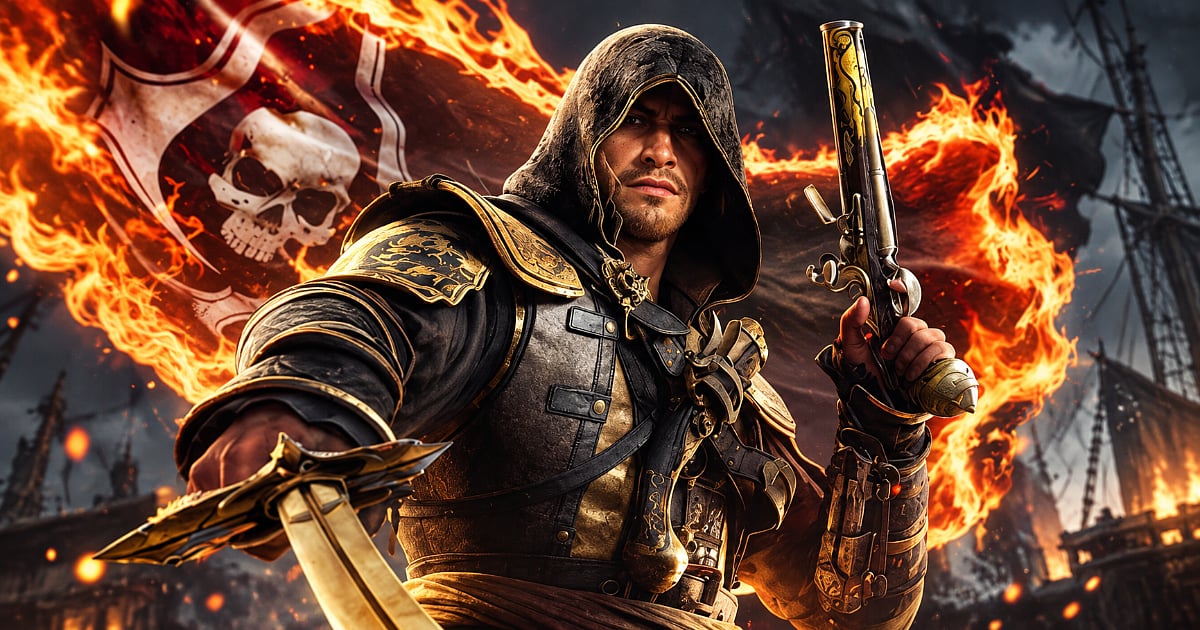
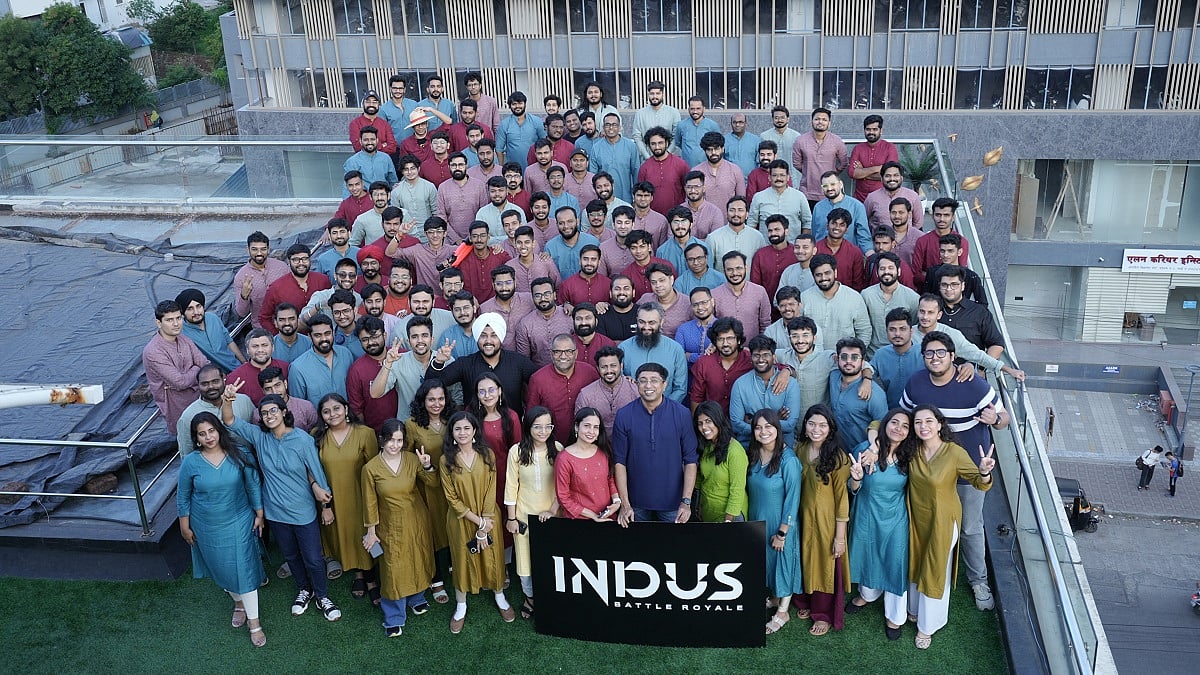
Over the last ten years, SuperGaming has steadily evolved from a mobile-first Indian studio into a company thinking seriously about global player behaviour. While its early success came from titles like MaskGun and Ninja Dash, the studio’s ambitions expanded significantly with Indus and have now taken a more decisive shape with Prime Rush, a Brazil-first “mid-core” shooter currently in early access.
The game is designed to be easy to pick up, like casual games, but deep and immersive enough to keep players engaged.
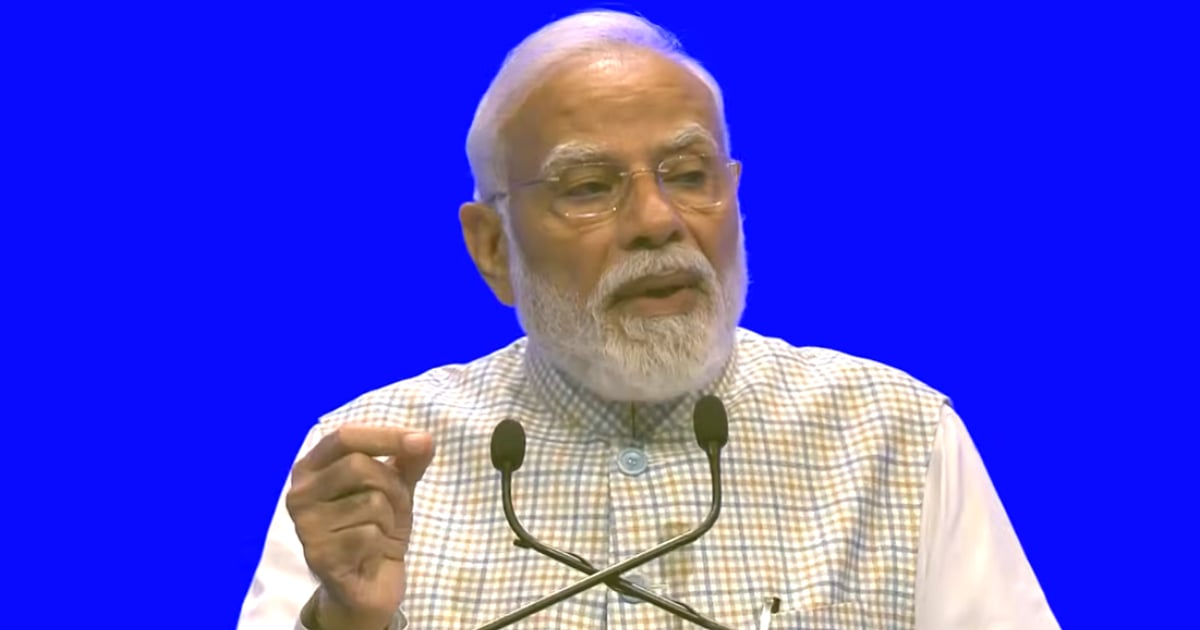
Speaking about this journey, Chief Executive Officer (CEO) Roby John frames SuperGaming’s evolution as an accumulation of lessons about accessibility, culture, and player expectations. From learning why Battle Royale shooters resonate across emerging markets to recognizing when a game becomes too complex for first-time players, John reflects on both missed opportunities and hard-earned clarity.
Prime Rush, in many ways, is the result of that clarity. It is a product shaped by global observation, on-ground learning, and a deliberate move toward mid-core live games that can sustain long-term engagement rather than short-term scale.
A Decade of Multiplayer Thinking, From MaskGun to Indus
From its earliest days, SuperGaming’s core strength lay in technology rather than theming or trend-chasing. John traces this back to the founding team’s composition and its unusual ability to build real-time multiplayer systems entirely in-house.
John revealed, “If you look at four co-founders, we have this unique mix of good server-side engineers, good client engineers, and good Unity engineers. It is rare to find that in the same team. So our secret strength was making real-time multiplayer better than everybody else, because we didn't have to go outside the room.”
That technical confidence led to early experiments such as Ninja Dash in 2013, a time when real-time multiplayer on mobile was still uncommon. MaskGun followed, intentionally designed as a simplified shooter to work around touchscreen limitations.
John said, “We made a very simple shooter with MaskGun when we first started, because we thought that somebody will actually make Counter-Strike: Global Offensive for mobile. The big innovation of MaskGun was the fact that it was an auto-shooter.”
At the time, mobile shooters were widely dismissed as impractical. That perception changed dramatically with the arrival of PUBG and Free Fire. For John, the real lesson did not come from their scale, but from how intuitively understandable they were.
He talked about how he met one of the PUBG founders and learnt a lot from the conversation. John stated, “When I asked him (PUBG founder) if he had known that PUBG was going to be a massive hit, he said yes. His answer changed the way that I think about games. He said, ‘When I was playing PUBG, my grandmother used to watch me play, and she got it'.”
This insight shaped how John began thinking about Battle Royale as a format that onboards not just players, but entire markets.
Building Prime Rush for Brazil, not Just Translating it
Indus was SuperGaming’s first attempt at combining Battle Royale familiarity with Indian cultural representation. However, the studio soon realized that its internal preferences did not always align with its actual audience.
He revealed, “We made Indus with kind of the competitiveness, structure, complexity of the Apex Legends product, because that's really the shooter that we really like. But the audience that we got was mostly Free Fire.”
This gap left by Apex Legends Mobile forced a reassessment. Prime Rush emerged from that reassessment, built specifically for Brazilian players rather than retrofitted for them. John is clear that this went far beyond cosmetic localization.
John revealed some of SuperGaming’s roadblocks, stating, “The operational challenge is less in terms of figuring out what a time zone might be, but more in terms of what player tastes might be. You can't read it from a playbook. The playbook is on the ground.”
Brazil’s gaming ecosystem, with established streaming pipelines, esports pathways, and higher gamer literacy, demanded a fundamentally different design approach. John shared his thoughts on the Brazilian market, stating, “In Brazil, that entire journey of a player, from being a player to a streamer to playing for an org is already well-defined. In India, you would have everything as an outlier; there, it's a standard.”
Early access performance indicates that the strategy is working, with Prime Rush recording substantially stronger retention in Brazil than in India, including notably high Day 1 and Day 7 retention rates.
Why SuperGaming is Betting on Mid-Core Live Games
Prime Rush also reflects SuperGaming’s strategic decision to focus on mid-core live games rather than hyper-casual or hardcore extremes. For John, hardcore games like Valorant or Dota function almost like jobs, while hyper-casual games rely heavily on advertising and short-term engagement. Mid-core live games occupy a more sustainable middle ground.
John explained his approach to the segment, stating, “We have not firmly believed in the ads model. We think that mid-core kind of live ops games are an opportunity in which we have a large audience that's looking to be entertained via video games.”
According to him, a good mid-core game is probably a few years in development. Meanwhile, a hardcore game is a lifelong job. In a funding environment where investor interest in gaming has cooled, John believes execution matters more than market cycles. He added, “The global gaming we see is dead. There is nobody putting money instead of content or instead of games at this point in time.”
As Prime Rush expands beyond Brazil into Latin America, the Middle East and North Africa, Europe, and eventually the Indian gaming market, the studio is applying that same philosophy: build deeply, learn locally, and ship consistently. For SuperGaming, Prime Rush wants to prove that disciplined, culturally grounded game development can still win in a volatile global market.

Author
Abhimannu Das is a web journalist at Outlook India with a focus on Indian pop culture, gaming, and esports. He has over 10 years of journalistic experience and over 3,500 articles that include industry deep dives, interviews, and SEO content. He has worked on a myriad of games and their ecosystems, including Valorant, Overwatch, and Apex Legends.
Abhimannu Das is a web journalist at Outlook India with a focus on Indian pop culture, gaming, and esports. He has over 10 years of journalistic experience and over 3,500 articles that include industry deep dives, interviews, and SEO content. He has worked on a myriad of games and their ecosystems, including Valorant, Overwatch, and Apex Legends.