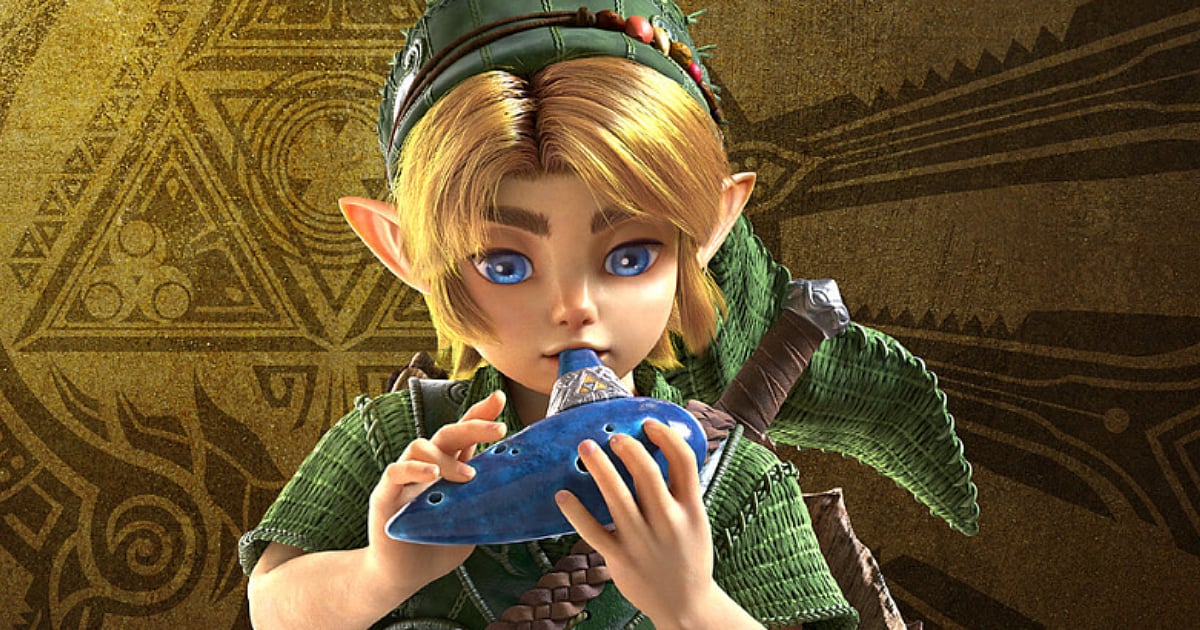






Genshin Impact
The Games You Never Quit are Taking Over the Industry
Here is why evergreen games like Fortnite and GTA V dominate player time and spending, and new games are struggling to compete.

Highlights
- Evergreen games dominate player time, engagement, and long-term revenue.
- Players are spending less time on new titles and staying within existing ecosystems.
- The model is reshaping how studios build, launch, and sustain games.
The modern games industry no longer runs on constant reinvention but on retaining your audience. Data from Niko Partners shows that more than 60 titles now qualify as evergreen, meaning they sustain engagement, spending, and visibility for years after release rather than fading out after launch. Publishers such as Tencent, Microsoft, and NetEase have steadily built portfolios around these long-lasting titles, reinforcing a model that prioritizes continuity over constant turnover.
At the same time, player behavior has shifted in a noticeable way. Time spent on new releases continues to decline, not because players are disengaging, but because they are choosing to invest more deeply in a smaller number of long-term experiences. Titles like Fortnite, Genshin Impact, League of Legends, and Grand Theft Auto V continue to command attention years after launch, supported by updates, communities, and ongoing content cycles.
The trend reflects a broader structural change in how games are played, how they generate revenue, and how studios approach long-term sustainability.
Evergreen Games Now Define Player Habits
The birth of evergreen games begins with how players choose to spend their time. These titles offer continuity. They provide progression systems, social networks, and ongoing updates that keep players engaged without interruption.
Games such as League of Legends and Counter-Strike 2 have built long-term ecosystems where players invest hundreds of hours. Players return to these games because their time investment continues to matter. New games struggle to compete with that sense of continuity. Starting fresh often feels like losing progress rather than gaining a new experience.
Niko Partners’ survey reinforces this behavior. Around 62% of players prefer games that align with evergreen characteristics. This change in player behavior has reshaped how games are built. The traditional model focused on a strong launch followed by a gradual decline. Evergreen games follow a different path. They grow over time through constant updates and keep players engaged.
Developers now design systems that extend beyond release. Content updates, seasonal events, and live operations keep the game active. The product evolves, and it tries to retain interest for as long as possible.
This approach reflects the rise of “Games as a Service." Titles like Genshin Impact and Valorant operate as ongoing platforms rather than finished products. The lifecycle of a game now matters more than its launch window. Success depends on how long a game can remain relevant.
Games that follow this trajectory sometimes continue to grow and pool in new players instead of simply maintaining a large, faithful audience. Popular looter shooter Warframe had its strongest year in terms of player count on Steam in December 2025. It is an unprecedented feat, considering the game was released back in March 2013.
Why Evergreen Titles Generate Consistent Revenue
The financial impact of this shift is clear. Evergreen games generate consistent revenue across years instead of relying on a single release window. Titles such as PUBG MOBILE and Rainbow Six Siege continue to earn through in-game purchases, expansions, and live events. Players spend gradually as they remain engaged.
Players are more open to spending on games they know they will play for a long time. New releases still generate strong initial sales, but they often decline quickly. Evergreen titles avoid that drop by maintaining attention.
Games like Counter-Strike 2, PUBG, Apex Legends, and GTA V are constantly on Steam’s Top Sellers list. Overwatch’s recent NieR: Automata collab saw the game climb to the top five best-sellers within minutes of the event launch. Similarly, Apex Legends climbed to the number one spot when its Mobile Suit Gundam collab arrived earlier this month.
As these titles mature, they extend beyond the core game. Engagement moves into other spaces such as esports, streaming, and cross-media content. Minecraft demonstrates this expansion clearly. It functions as both a game and a creative platform. Fortnite has hosted live events and collaborations that extend beyond traditional gameplay. It has also made its way to thousands of schools across the world as an educational tool because of how recognizable it is.
Are Evergreen Titles More Profitable?
Evergreen titles are more profitable, but not in the way traditional games are measured. Such titles generate value over time, while traditional games rely heavily on launch performance. This creates two vastly different revenue curves.
A traditional AAA game typically earns the majority of its revenue within weeks of release. For example, Grand Theft Auto V generated over $1 billion USD within three days of launch, which shows how front-loaded blockbuster releases can be. However, even in that case, the game’s long-term success came from evolving into an evergreen model through GTA Online, which continues to generate hundreds of millions annually.
Evergreen titles, by contrast, are designed to earn continuously. Fortnite has generated over $9B in total revenue in its first 2 years and is still projected to bring in billions annually, years after release, through in-game purchases and live events. This steady income model reduces reliance on launch success and builds long-term player spending habits.
In practical terms, evergreen games do not always earn more on day one, but they often outperform traditional titles over the years. However, it is important to note that long-term games also require constant updates and maintenance to keep the audience engaged. If the live service experience is not enjoyable, players are unlikely to engage with it.
Many titles like Concord and Highguard attempted to break into the live service space and have failed within weeks after launch. Building evergreen games is difficult, and it is not an easy road to long-term revenue.
Genshin Impact and other HoYoverse titles manage to keep player retention by releasing updates once every 40 days. Arc Raiders releases smaller updates almost every month. Players want content quickly, and they want updates to be fun. Building evergreen games can be challenging and incur heavy development costs.
New Games are Competing for Time, Not Just Sales
The dominance of evergreen titles has created a new kind of competition, one that extends far beyond launch windows and sales charts. Developers are no longer just competing to sell a game at release but to earn a place in a player’s limited time. With evergreen games already occupying a significant share of that time through ongoing updates, social ecosystems, and progression systems, breaking player habits has become increasingly difficult.
A live service game now needs to deliver immediate value to capture attention while also proving that it can sustain engagement over the long term. Without both, players are less likely to commit, especially when they are already invested in existing ecosystems that continue to evolve.
Even within this environment, new games continue to succeed by offering something that evergreen titles cannot. Premium AAA experiences, remakes, and distinctive indie projects carve out space by focusing on strong narratives, unique mechanics, or creative direction. These games do not compete directly on retention but on experience.
What is emerging is not a replacement of one model with another, but a rebalancing of the industry. Evergreen games have shifted the foundation toward retention, engagement, and long-term value, while new releases are adapting by becoming more deliberate about what they offer and why they matter.
The result is a landscape where success is no longer defined by the size of a launch, but by the ability to stay relevant. The games that endure are the ones players choose to return to, not just the ones they choose to try.

Author
Abhimannu Das is a web journalist at Outlook India with a focus on Indian pop culture, gaming, and esports. He has over 10 years of journalistic experience and over 3,500 articles that include industry deep dives, interviews, and SEO content. He has worked on a myriad of games and their ecosystems, including Valorant, Overwatch, and Apex Legends.
Abhimannu Das is a web journalist at Outlook India with a focus on Indian pop culture, gaming, and esports. He has over 10 years of journalistic experience and over 3,500 articles that include industry deep dives, interviews, and SEO content. He has worked on a myriad of games and their ecosystems, including Valorant, Overwatch, and Apex Legends.