




Your gameplay loop is solid, but what about your social loop?
Level Up: Build Your Industry Network as an Aspiring Developer
Level up your career! Discover how aspiring developers can build a lasting game industry network through GDC, IGDC, Discord, remote devlogs, and a strong portfolio.

Highlights
- Attend key events like GDC and IGDC to build a sustainable industry network.
- Master Discord communities and curate a "King" portfolio to stand out.
- Leverage devlogs and open-source contributions for remote networking and global growth.
In the high-octane world of game development, mastering your C++, C#, or high-fidelity environment art might get your foot in the door, but it is the community you build that keeps that door wide open. Welcome to 2026, where the games industry has shifted into a fully integrated global ecosystem.
Networking is no longer a peripheral "extra" or a corporate buzzword—it is a core pillar of your professional survival. Whether you are a student coding in Bengaluru or a studio lead managing a team in San Francisco, building your network is about creating a sustainable career. Think of your "social loop" as being just as vital as your "gameplay loop." It’s all about finding the people who know your name, trust your work, and genuinely want to build games with you.
Here, we’ve broken down everything you need to know to navigate the modern networking landscape, from the world's biggest convention floors to the coziest local Discord servers.
The Global Boss Stages: GDC and Pocket Gamer Connects
If you are looking for the absolute epicenter of the industry, all roads eventually lead to the massive global conferences. These events are where the biggest deals are struck, and the loudest announcements are made.
The GDC Festival of Gaming: By 2026, the Game Developers Conference (GDC) has moved away from the old model of sitting in dark rooms for hours. Now rebranded as a massive festival, the 30,000+ attendee event splits its Festival Hall into dedicated "neighborhoods" (like Game Development & Future Tech, Indie & Education, and International & Monetization). Savvy devs hit the GDC Base Camp lounge or use "GDC Encounters" (a speed-networking format) to find their specific tribe.
Pocket Gamer Connects (PGC): For the mobile and handheld crowd, PGC remains the high-efficiency alternative. Using their famous "MeetToMatch" platform, you can pre-schedule 1:1 meetings weeks in advance, and zero time is wasted on the show floor. Alongside panels and talks, the event offers an expo area, structured business matchmaking, pitching opportunities, indie showcases, careers programming, and extensive networking activities.
IGDC 2025
The Indian Renaissance: IGDC and Fan Events
The Indian gaming scene is undergoing a massive transformation. Currently valued at over $5 billion USD, it is actively evolving from a traditional service-oriented hub into an absolute powerhouse of original IP. Networking here means getting in on the ground floor of the next big boom.
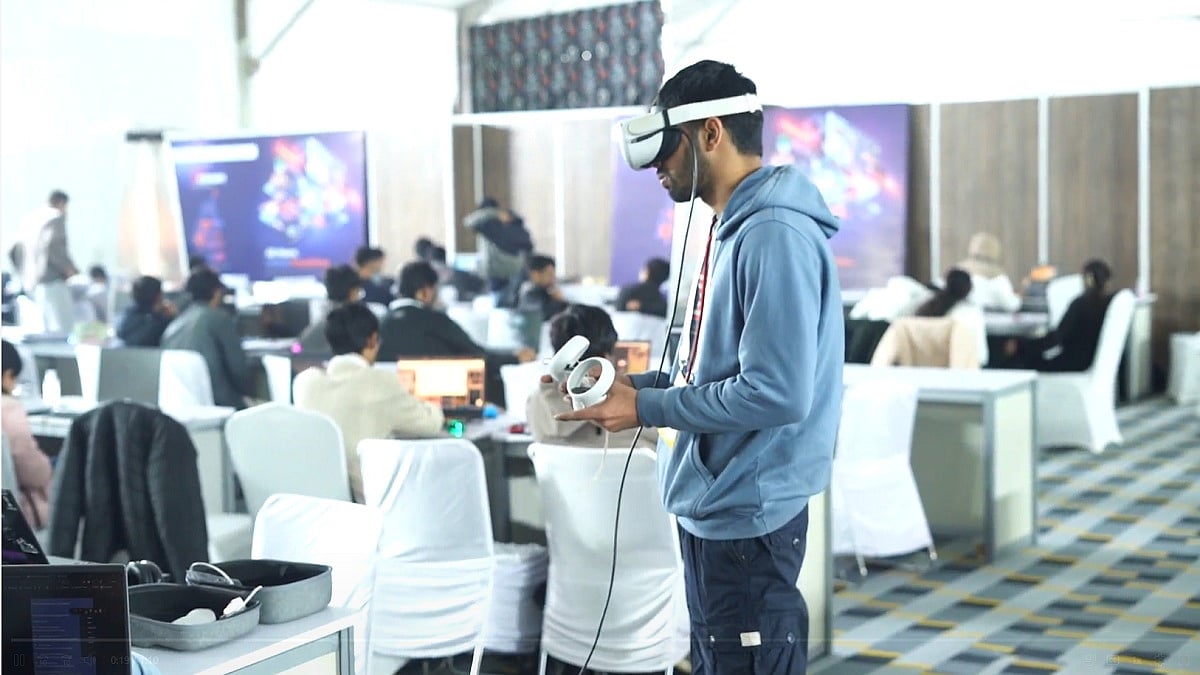
India Game Developer Conference (IGDC): As the country’s oldest and largest game developer event, IGDC offers deep‑dive sessions, hands‑on workshops, the Indie Expo, IP Connect, BYOG, and the India Game Awards. By bridging the gap between Indian and international game development communities, it aims to create more opportunities for Indian developers to showcase their work, collaborate on global projects, and build meaningful connections worldwide.
Comic Con India & GamingCon Bharat: Beyond pure dev events, fan-centric conventions in Delhi, Mumbai, and Bengaluru are essential. GamingCon’s "Indieverse" handpicks homegrown games for the public. It is a brilliant, hybrid environment where you can gather live player feedback while catching the eye of roaming investors.
Regional Hubs: The Pulse of Bengaluru, Pune & Delhi NCR
Networking doesn’t always require a plane ticket. Keeping costs low and energy high, India's local scenes are thriving ecosystems of their own.
Bengaluru: Supported by the presence of giants like Ubisoft India, Bengaluru’s community is buzzing. Developers gather frequently for Xbox Discovery Days and monthly indie jams organized through Meetup.com and local IGDA chapters.
Pune: Famous for being tight-knit, the Pune community often hosts "Pre-IGDC" gatherings in Koregaon Park where devs swap survival tips before the national conferences. It’s also a hub for specialized talent—like the NASSCOM Game Audio Forum, which links sound designers and composers directly with programmers.
Delhi NCR (Gurugram): The NCR scene leans heavily into technical prowess. Local groups such as Game Developers Delhi and university DevClubs run regular game jams and hackathons in coworking spaces and campuses, and organizers often report publisher attendance or scouting that you can pair with specific links you prefer.
Discord
The Digital Commons: Mastering Discord
For daily growth, Discord has officially become the industry’s default office space. However, every server has its own culture, requiring a bit of "netiquette" to navigate successfully.
Indian Game Developers: With over 20,000 members, this is the heartbeat of the local community. Jump into their "Campfire" virtual meetups—randomized breakout rooms that make it incredibly easy for introverts to strike up a chat.
Educational Hubs: Servers like GameDev.tv and Brackeys remain absolute goldmines for students looking for genuine mentorship and portfolio feedback.
Engine-Specific Tribes: Looking for deep technical dives? Head to Unreal Slackers (300,000+ members) or the Official Godot and Unity India servers.
The Golden Rule ("No Hello"): Senior developers value efficiency. Instead of just dropping a "Hi" and waiting, state your question or your value immediately in your first message.
A Guide to Building an Industry Network as an Aspiring Developer
If you are just starting out, stepping into this world can feel intimidating. Remember: your network is simply an extension of your portfolio. Before you step into any event, here is how you prepare:
Build a "King" Portfolio: Quality over quantity. Focus on five high-quality, polished pieces on ArtStation, itch.io, or GitHub rather than twenty mediocre ones. It shows depth and clarity about your contributions rather than long lists of unfinished projects.
Join Game Jams: Participating in Ludum Dare or the Global Game Jam is the ultimate proving ground. Showing you can work under pressure with a team almost always leads to long-term collaborations.
Hunt for Scholarships: If you have the skill but lack the capital to travel or develop a game, look into the GDC Scholars program or the Sony India Hero Project, which provide travel stipends and mentorship for emerging talent.
Perfect the 30-Second Pitch: Ditch the generic "I am a programmer looking for work." Instead, try: "I’m XYZ, I build scalable backend systems for roguelikes in Godot, and I'm looking for art collaborators."
Go Digital: Paper business cards are a thing of the past. Use apps like Blinq or HiHello to share your contact info instantly via a quick QR code scan.
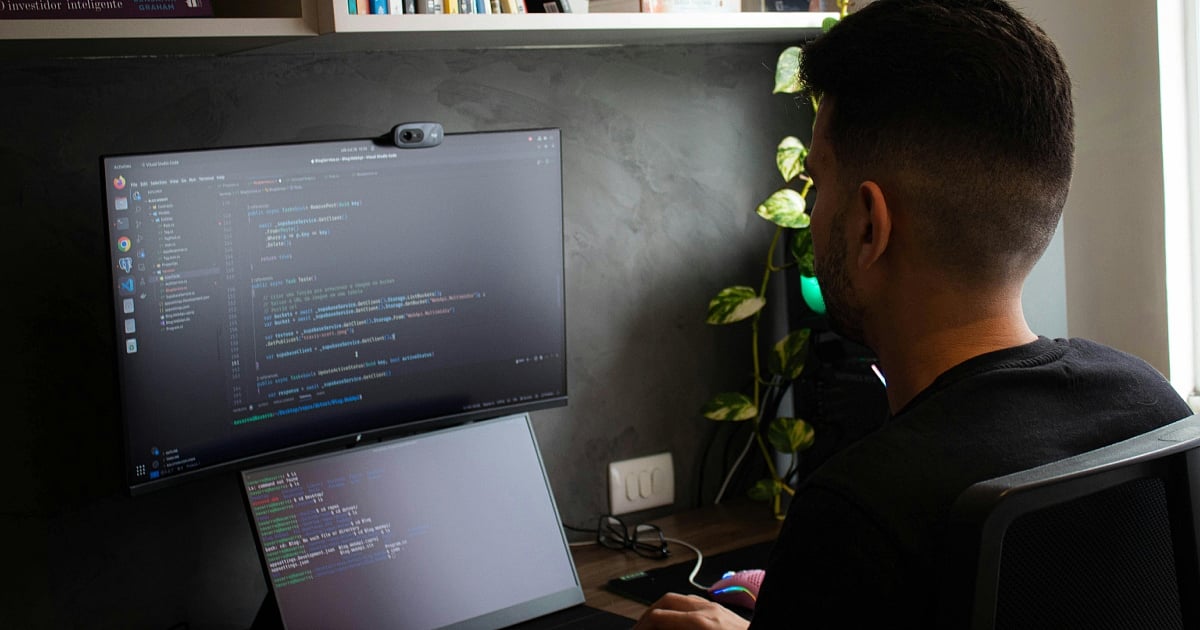
Pexels
The Art of the Follow-Up
The most important part of networking doesn't happen on the show floor; it happens in the "Golden Window" of 24 to 48 hours after the event. When reaching out, be specific. Make yourself a human being, not just another resume in an overflowing inbox.
Follow-up Template for a Speaker or Developer:
"Hi [Name], I really enjoyed your session at [Event Name]. Your insight on [specific detail you discussed/heard] gave me a completely new perspective on my current project. I’d love to stay in touch and follow your work!"
Follow-up Template for a Recruiter:
"Hi [Name], it was great meeting you at the [Studio Name] booth yesterday! We briefly chatted about [specific detail from your conversation]. As promised, here is a direct link to my portfolio: [Link]. I’d love to stay connected regarding future opportunities."
The Remote Strategy: Networking Without Fast Travel
If travel simply isn't an option, you are not locked out of the game. In 2026, flexible and remote work is no longer an exception; it is the rule. Game programmers now have partial or full remote work options, and studios that refuse to offer location flexibility shrink their available talent pool by up to 80%. This proves you can build a massive global presence and land your next role right from your living room.
Post Devlogs: Be active on LinkedIn and Twitter/X. Share "devlogs" of your progress and comment thoughtfully on the work of senior developers.
Contribute to Open Source: Jumping into the Godot Contributors Chat or similar open-source projects is the fastest way to earn a "technical referral" from a peer, which is vastly superior to a cold email.
Use Specialized Job Boards: Platforms like Work With Indies or Hitmarker are preferred by studio founders who are looking for genuine passion and community involvement, rather than just a sterile list of skills.
Networking is a marathon, not a sprint. Whether you are shaking hands at a high-end conference in San Francisco or chatting in a local coffee shop in Bengaluru, the goal remains the same: be helpful, be curious, and be consistent.

Author
Krishna Goswami is a content writer at Outlook India, where she delves into the vibrant worlds of pop culture, gaming, and esports. A graduate of the Indian Institute of Mass Communication (IIMC) with a PG Diploma in English Journalism, she brings a strong journalistic foundation to her work. Her prior newsroom experience equips her to deliver sharp, insightful, and engaging content on the latest trends in the digital world.
Krishna Goswami is a content writer at Outlook India, where she delves into the vibrant worlds of pop culture, gaming, and esports. A graduate of the Indian Institute of Mass Communication (IIMC) with a PG Diploma in English Journalism, she brings a strong journalistic foundation to her work. Her prior newsroom experience equips her to deliver sharp, insightful, and engaging content on the latest trends in the digital world.


Related Articles