





Engagement metrics
Why Games are Built to Keep you Coming Back
Studios increasingly design games around engagement metrics like retention and daily logins but do they take away the fun?

Highlights
- Many modern games now push players to log in regularly through systems like battle passes, daily rewards, and seasonal challenges.
- Developers rely on player data to understand what keeps people returning, and that data often shapes progression systems.
- These mechanics raise questions about whether engagement sometimes takes priority over fun.
Modern games rarely exist as one-time experiences anymore. Many studios design games to run for months or years after release. This shift has pushed developers to rely heavily on engagement metrics. These numbers track how often players return, how long they stay in a session, and how regularly they interact with the game.
These metrics influence how progression systems, rewards, and seasonal updates work. Developers study player behavior and adjust game systems to keep players coming back. It has resulted in player activity becoming as important as traditional gameplay systems. The approach has shaped some of the biggest games in the industry. However, it also begs the question if these systems prioritize metrics over fun.
How Engagement Metrics Affect Game Design
Game studios always cared about player activity. The difference today is that developers can measure almost every aspect of how players interact with a game. Studios look closely at metrics such as retention. This number shows how many players return to the game after their first session. If players stop returning quickly, developers often adjust progression systems or introduce new incentives.
Session length is another important signal. Developers want players to stay engaged long enough to build habits around the game. Games that maintain consistent daily activity often generate stronger communities and more stable revenue. This data-driven approach turned engagement into a central pillar of modern game design.
Studios use several design systems to keep players returning regularly. These mechanics appear across console, PC, and mobile games. Each one targets a different player habit, but most live service games combine several of them at the same time.
System | How It Works | Why It Keeps Players Engaged |
Battle Pass | A seasonal progression track where players unlock rewards by completing challenges or earning experience points. | The limited season creates urgency. Players log in regularly to finish tiers before rewards disappear. |
Daily Login Rewards | Players receive bonuses for opening the game each day. Rewards usually increase with consecutive logins. | The streak system builds routine. Missing a day can break the streak and reset rewards. |
Daily and Weekly Challenges | Small tasks such as winning matches, using certain characters, or completing missions. | These short goals give players something to complete every session and steadily push progression forward. |
Seasonal Events | Limited-time events introduce special modes, cosmetics, or story updates for a few weeks. | Events refresh the game and bring players back even after they finish earlier content. |
FOMO Events | Rare rewards, skins, or items appear only during a specific event window. | The fear of missing out pushes players to log in before the content disappears. |
Limited-Time Cosmetics | Exclusive skins or cosmetics appear in the store for a short period. | Scarcity encourages faster purchasing decisions and keeps players checking the store. |
Gacha Systems | Players spend in-game currency or real money for randomized rewards such as characters or items. | Random outcomes trigger repeat attempts. Players return often to chase rare drops. |
Each system builds a small reason to return. When developers combine them, they create a predictable loop. Players log in daily, complete challenges, check events, and progress through seasonal content.
Over time, the game becomes part of a routine rather than a one-time experience. That routine is exactly what engagement-driven design tries to achieve.
Why These Systems Work so Well
Engagement systems succeed because they align with basic player behavior. Clear goals and visible rewards create a sense of progress. Players enjoy seeing their progress bars move forward and unlocking new cosmetic items or characters.
Time-limited rewards add a sense of urgency. Players know they might miss out if they stop playing for too long. This fear of missing out encourages regular logins and longer play sessions.
These systems also help developers maintain active communities. Multiplayer games perform better when many players remain online at the same time. Engagement systems keep player populations stable, which improves matchmaking and social interaction.
From a business perspective, steady engagement increases the chances that players will purchase battle passes, cosmetics, or expansions. India’s gaming market provides a useful example of how engagement systems spread globally. The country has hundreds of millions of players, but average spending per player remains relatively low compared to Western markets.
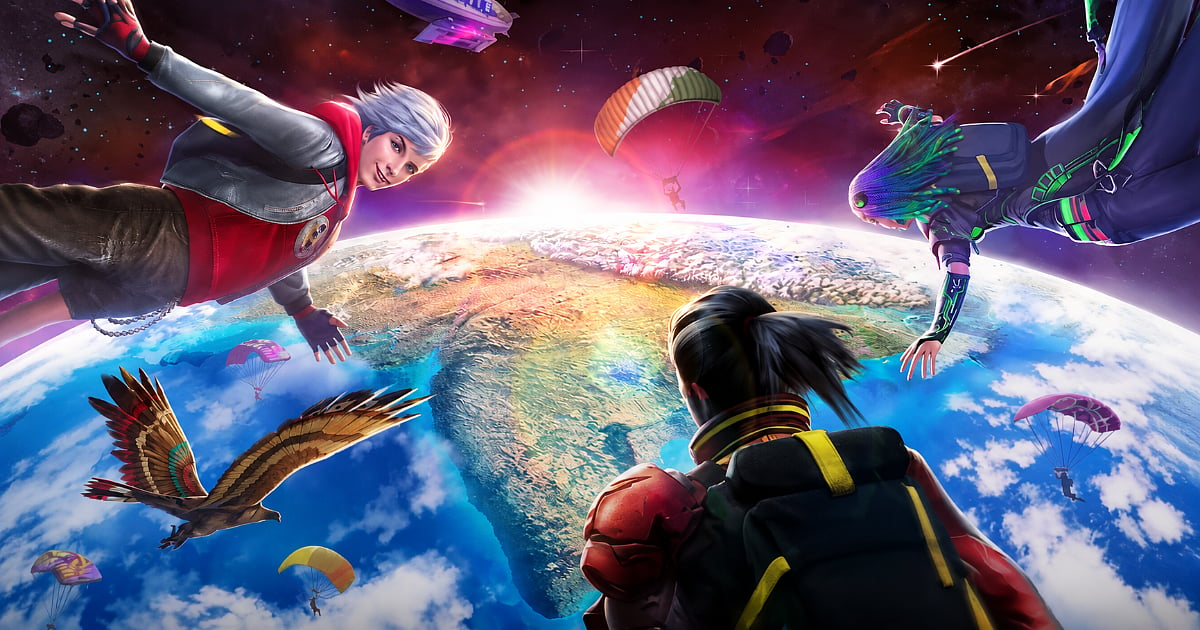
Developers often rely on engagement systems to make this model sustainable. Free-to-play games with battle passes and cosmetic purchases dominate mobile gaming in India. Titles like Battlegrounds Mobile India regularly run events, login rewards, and seasonal updates to keep players active. These systems help studios maintain large player bases even when individual spending remains modest.
It is possible to make a successful game through microtransactions that are much cheaper than a full-priced game. Fortnite, for example, built its entire live service model around seasonal battle passes, limited-time events, and cosmetic rewards.
The cosmetics in the game cost between $8 and $20 USD, and it regularly releases new items in the store for players to purchase. Fortnite has attracted over 650M registered players worldwide and generated more than $23B in revenue since 2017, with much of that spending tied to battle passes and cosmetics.
FOMO is Here to Stay
Not every player enjoys gameplay and monetization systems that try to farm engagement. Some players feel that engagement-driven design can lead to repetitive gameplay loops. Challenges may require players to complete the same tasks repeatedly just to progress through reward tracks.
Recent discussions around Bungie’s upcoming game, Marathon, show how quickly players react when progression systems don’t feel rewarding enough. Developers must balance engagement with enjoyment. Systems designed to keep players active can backfire if players feel forced to grind rather than play for fun.
Engagement systems are unlikely to disappear in the long term despite the criticisms. They support the live service model that many studios now depend on. Regular updates, battle passes, and seasonal events keep communities active long after launch.
At the same time, developers increasingly recognize the risks of pushing these systems too far. Games that rely too heavily on grind can lose player trust and damage long-term retention. The most successful titles usually strike a balance. They provide goals and progression while ensuring that the core gameplay remains enjoyable.
Engagement metrics provide powerful insight into player behavior, but data alone cannot define what makes a game fun. The studios that succeed long-term will likely be the ones that use engagement systems to support gameplay rather than replace it.

Author
Abhimannu Das is a web journalist at Outlook India with a focus on Indian pop culture, gaming, and esports. He has over 10 years of journalistic experience and over 3,500 articles that include industry deep dives, interviews, and SEO content. He has worked on a myriad of games and their ecosystems, including Valorant, Overwatch, and Apex Legends.
Abhimannu Das is a web journalist at Outlook India with a focus on Indian pop culture, gaming, and esports. He has over 10 years of journalistic experience and over 3,500 articles that include industry deep dives, interviews, and SEO content. He has worked on a myriad of games and their ecosystems, including Valorant, Overwatch, and Apex Legends.