





The Studio KAI Insolvency Shows Japan's Anime Studio Bankruptcy Problem
Studio KAI Declares Insolvency After $3.54M Loss
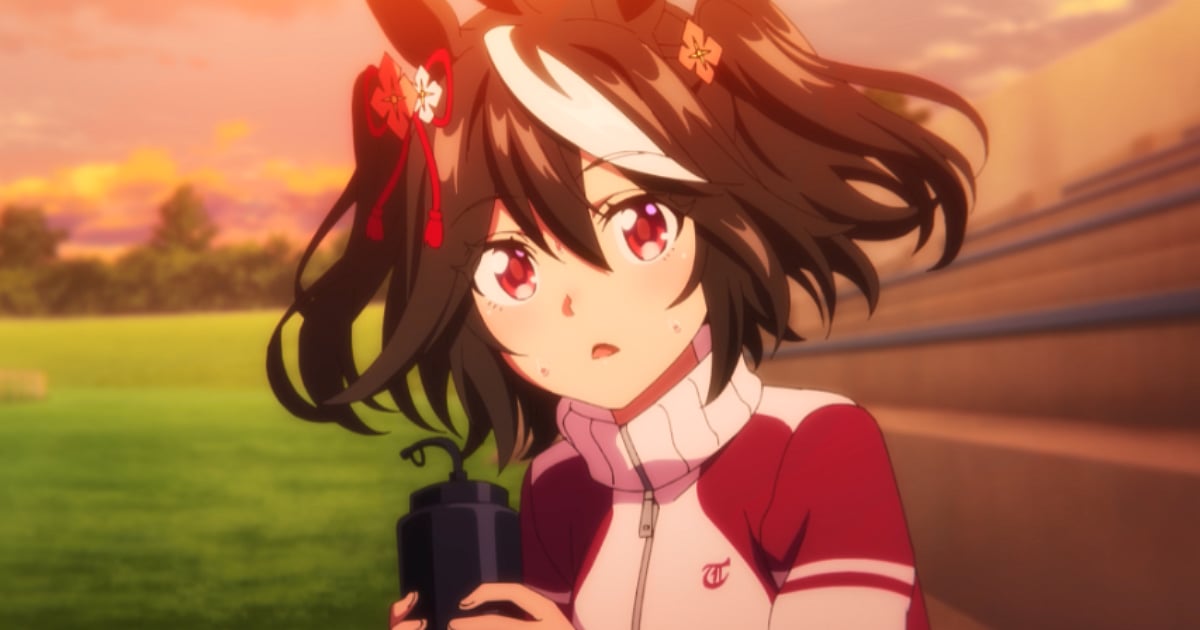
Studio KAI, the ADK Emotions subsidiary behind Umamusume seasons 2 and 3, posted a ¥565M ($3.54M) deficit in fiscal 2025.

Highlights
- Umamusume: Pretty Derby seasons 2 and 3 studio, Studio KAI, has entered insolvency.
- The collapse reflects a broader anime industry crisis in Japan, where multiple studios shut down in 2025 despite record revenue.
- The case highlights structural issues in anime production and sustainability challenges.
Umamusume: Pretty Derby animation company Studio KAI has entered insolvency proceedings after recording a net loss of ¥565 million (~$3.54 million USD) in the fiscal year ending December 2025. The announcement, first reported on the Official Gazette, marks one of the most significant studio failures, underscoring persistent financial instability within the anime industry.
The Tokyo-based studio is a subsidiary of ADK Emotions and a member of the Japan Animation Association (JAA). As of December 2025, the studio employed 133 in-house staff, a workforce large enough to make the collapse a significant labor market phenomenon within Japan's animation sector.'
Apart from Umamusume seasons 2 and 3, Studio KAI’s anime list includes other prominent titles such as Sentenced to Be a Hero and Hell Teacher NUBE. The studio was also also working on its Spring anime slate, including Ramparts of Ice and Mistress Kanan Is Devilishly Easy.
Anime Studio Bankruptcy Crisis Results in Studio KAI Insolvency
Studio KAI's insolvency is not an isolated case; it arrives against a documented industry-wide collapse. Between January and September 2025, two studios filed for bankruptcy and six more dissolved or suspended operations, pushing eight companies out of Japan’s anime market.
Production studios usually receive fixed revenue, even if franchises like Umamusume achieve strong cross-media success, including mobile game revenue and merchandizing. Studio KAI reported a ¥248M (~$1.56M) loss for FY 2024, prior to the loss in FY 2025.
An increasing loss for two years in a row would impact the sustainability of an organization like Studio KAI, which has maintained a philosophy of hiring animators as full-time employees, rather than outsourcing work. Its large operating base included many anime industry veterans, as well.
Studio KAI’s insolvency underscores a contradiction at the core of Japan's animation economy, which generates record-level revenue coexisting with accelerating studio failures. In 2024, 60% of the anime studios reported a profit decline, despite $2.45B revenue.
Japan’s Ministry of Economy, Trade, and Industry (METI) has acknowledged these constraints in recent policy discussions, identifying labor conditions and production capacity as barriers to scaling the anime industry globally. Nonetheless, for a studio that prioritized stable employment and in-house production, the outcome raises harder questions about whether workforce ethics can sustain the anime’s high-volume demand while managing substantial profit.

Author
Kamalikaa Biswas is a content writer at Outlook Respawn specializing in pop culture. She holds a Master's in English Literature from University of Delhi and leverages her media industry experience to deliver insightful content on the latest youth culture trends.




Related Articles


