




Anime Marketing Transforms India’s Advertising Economy
Anime Advertising Trends Reshape India's IP Marketing Economy
India's 118M anime viewers are turning fandom into a high-value commercial frontier, and brands are now racing to claim their share.

Highlights
- Anime is emerging as a major marketing tool in India, with brands leveraging anime IP collaborations to target Gen Z.
- Companies are shifting from basic promotions to immersive fandom-driven campaigns across fashion, food, and events.
- Rapid audience growth and high engagement are turning anime into a key driver of India’s evolving marketing economy.
Anime advertising trends are rewriting brands' marketing in prominent global markets, including India, where Gen Z and digital-first consumers are rapidly growing. Anime IP marketing, which began as occasional themed partnerships, has now evolved into an IP marketing ecosystem of brands across fashion, food, live events, and entertainment.
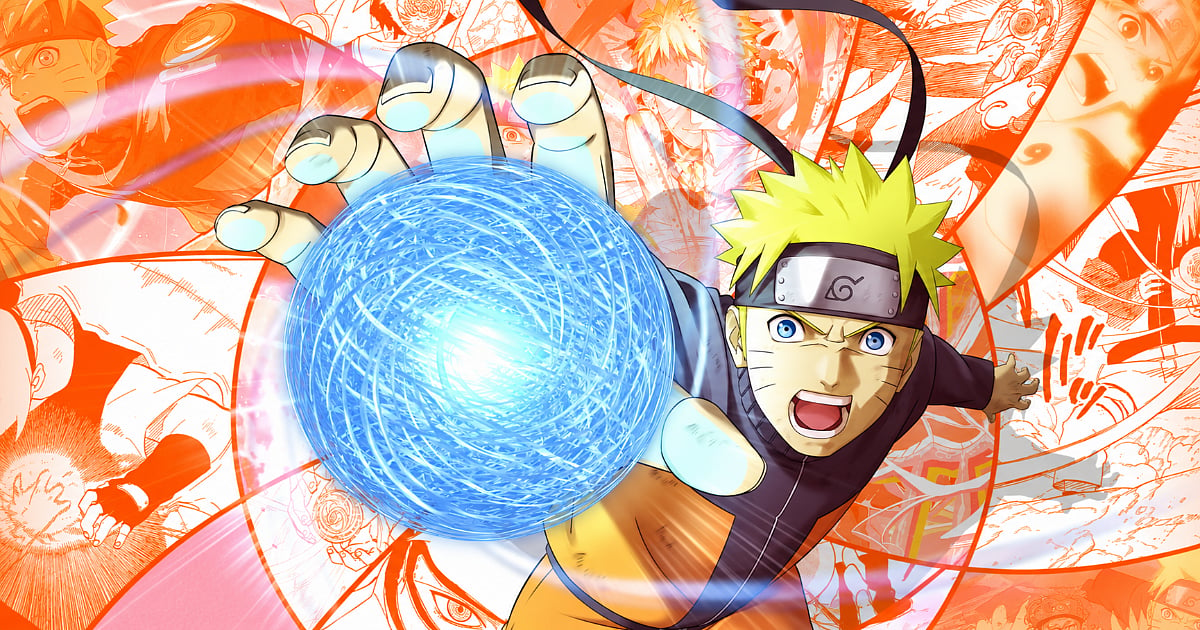
A recent exchange4media analysis positioned anime as a cultural asset that modern advertisers are using to attract Indian youth. From KitKat's installation of a giant One-Piece-themed pirate ship to MuscleBlaze launching India’s first anime-fitness collaboration with Naruto IP, brands are deploying youth-targeted strategies to penetrate the market.
India ranked third in global anime viewership with 41% market penetration, according to GEM Partners' Anime Global White Paper 2026. The country recorded viewership growth exceeding 30% between 2020 and 2025, trailing behind only Japan and China.
The Indian anime market was valued at $1.22 billion USD in 2025, with a projection to reach $3.32B by 2034, as per IMARC Group, making India one of the fastest-growing anime markets. With that background, anime fandom marketing is gaining traction because it delivers intensely engaged communities. Anime business trends show Gen Z marketing trends and IP strategy converging in the same brief, targeting the same communities.
Anime Advertising Trends Drive the Lifestyle Business
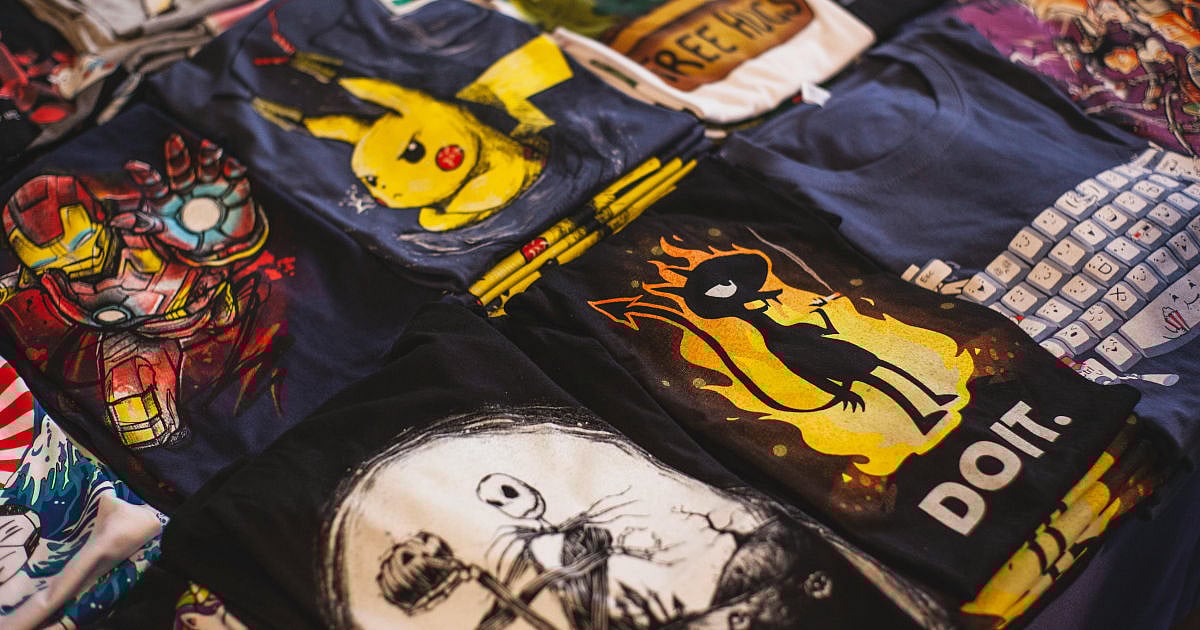
The latest anime advertising trends show brands moving from logo placement to immersive fandom marketing, a recent example being KitKat x Comic Con activation. Companies, including delivery platforms such as Blinkit, and apparel brands such as Bewakoof, and The Souled Store, have already broadened the appeal of anime-inspired visuals, creator partnerships, and direct-to-consumer initiatives.
47% revenue of The Souled Store now comes from merchandise, with a 160% repeat purchase rate. IP merchandising results in higher-value; the company’s licensed SKUs sell at INR 1K, compared to INR 850 for original designs.
“Gen Z isn’t just buying clothes, they’re buying identity,” stated Founder of Bonkers Corner, Shubham Gupta, while discussing how merch is slowly becoming youth streetwear. Founder of Comic Con India, Jatin Varma, echoed a similar sentiment, emphasizing that “For fans, it’s a mix of utility, fashion, and identity, but the core is always identity.”
Global anime brand collaborations are accelerating in step with companies like Nike and Gucci betting on anime IP. Nike has confirmed an Air Max Plus x One Piece Devil Fruits collection for 2026, reflecting that anime partnerships are penetrating the footwear industry's high-end commercial tiers.
Why Anime is Transforming the Marketing Economy
TRA Research CEO N. Chandramouli told Storyboard18 that “With rising fan culture, better IP management and a maturing consumer base, we’re entering a high-growth phase,” while discussing the growth of merchandising. For anime, merchandising has become one of the key growth areas in India, even though TV dominates with 28% market share.
TV and streaming equivalently increase anime’s reach, which later benefits from merchandising collectibles and the fast-fashion economy. Apart from popularity among Indian Gen Z, anime now constitutes 15-20% of children’s programming as well, widening the audience category, who will eventually become buyers.
Streaming has “transformed anime from a subcultural pursuit into mainstream appointment viewing and handed brands access to deeply engaged fandom ecosystems,” according to Rajni Daswani, the Chief Growth Officer of People & Business at SoCheers.
According to India’s Head of dentsu Sports & Entertainment, Yosuke Murai, anime develops highly engaged communities. “When brands participate respectfully within these worlds, they are no longer seen as advertisers interrupting the experience, but as participants in the culture itself,” he further emphasized.
Despite growth, the market faces real constraints such as pirated products, fragmented licensing infrastructure, and limited penetration outside urban centers. Anime advertising should now target tier-2 and tier-3 cities to scale and bring new buyers and audiences. Nonetheless, for advertisers targeting the Gen Z community, anime advertising trends now function as both a media vehicle and a brand play.

Author
Kamalikaa Biswas is a content writer at Outlook Respawn specializing in pop culture. She holds a Master's in English Literature from University of Delhi and leverages her media industry experience to deliver insightful content on the latest youth culture trends.

Related Articles