




How Global Politics in Gaming Shapes What we Play
How Global Politics in Gaming Shapes What we Play
From censorship to sanctions, global politics in gaming shapes development, monetization, and live service updates worldwide.

Highlights
- Political tensions between nations can quietly reshape content pipelines, leading to altered creative direction.
- Regulations such as Europe’s stance on loot boxes have pushed developers to rethink monetization beyond the region.
- Wars, labor strikes, and sanctions now affect live service continuity.
Games feel like one of the few truly global forms of entertainment. Players log in from different countries, explore worlds inspired by real cultures, and experience updates that launch worldwide at the same time. That shared experience creates the impression that gaming exists outside real-world politics. In reality, the opposite is true.
Modern game development depends on international markets, outsourced talent, global publishing agreements, and regulatory approval across multiple regions. This makes the industry deeply sensitive to political shifts. A diplomatic conflict can delay content. A labor strike can stall narrative updates. A new law in one country can change how players around the world earn rewards.
Global politics in gaming rarely show up in marketing materials, yet it quietly shapes the structure of live service updates, monetization systems, and creative direction. When games change in unexpected ways, the reason is often geopolitical rather than technical.
Global Politics in Gaming: How They Affect Gamers
Global politics in gaming rarely appear in patch notes or developer blogs. Yet time and again, world events leave fingerprints on the games we play, often in ways that only become visible after something changes. Here are some of the ways popular games have been affected.
When Real World Tensions Affect Development
Modern development pipelines are built on international cooperation. Art teams, localization units, publishing partners, and marketing strategies often rely on multiple countries working in sync. This creates efficiency but also introduces risk.
When diplomatic tensions rise between nations, studios sometimes revisit upcoming content that draws from those regions. Themed events, cultural references, or character designs can suddenly become sensitive topics depending on the broader political climate. Companies may delay or rework these elements to maintain market stability and avoid alienating audiences in key territories.
Recently, the popular turn-based game Honkai: Star Rail by Chinese publisher Mihoyo had to delay its major 4.0 update. A location previously named Benzaitengoku was changed to Planarcadia. The changes were introduced allegedly due to the geopolitical tensions between China and Japan.
When Regional Laws Reshape the Global Market
Regulatory decisions are no longer confined by geography. Europe’s stance on loot boxes provides one of the clearest examples of this phenomenon. Belgium and the Netherlands classified certain randomized reward systems as gambling. This placed publishers in a difficult position. They could maintain separate monetization models for different regions or rethink the structure entirely.
Maintaining fragmented systems around such laws complicates live service management. Many companies have instead opted to adjust their reward mechanics across broader markets. Titles such as FIFA modified their monetization approaches in response to these rulings. What began as a regional consumer protection effort ultimately influenced progression systems and in-game economies worldwide.
Labor Politics and the Content Pipeline
As games have evolved into narrative-driven experiences, voice actors and performance talent have become integral to production. The SAG-AFTRA strike demonstrated how labor disputes can disrupt gaming timelines. Recording sessions halted, and performance capture work slowed across multiple projects. Live service titles that rely on ongoing storytelling faced delays in narrative updates.
This highlights a structural shift in how games are produced. Voice work is no longer a finishing touch. It is embedded within seasonal content planning and release schedules. Studios now factor labor stability into long-term planning, particularly for franchises built on continuous engagement.
Cultural Representation and Global Feedback
Character design today reaches a global audience instantly. What resonates in one region may spark criticism in another. This has pushed studios toward greater cultural consultation and responsiveness. Feedback from communities can influence visual direction, narrative framing, or thematic emphasis.
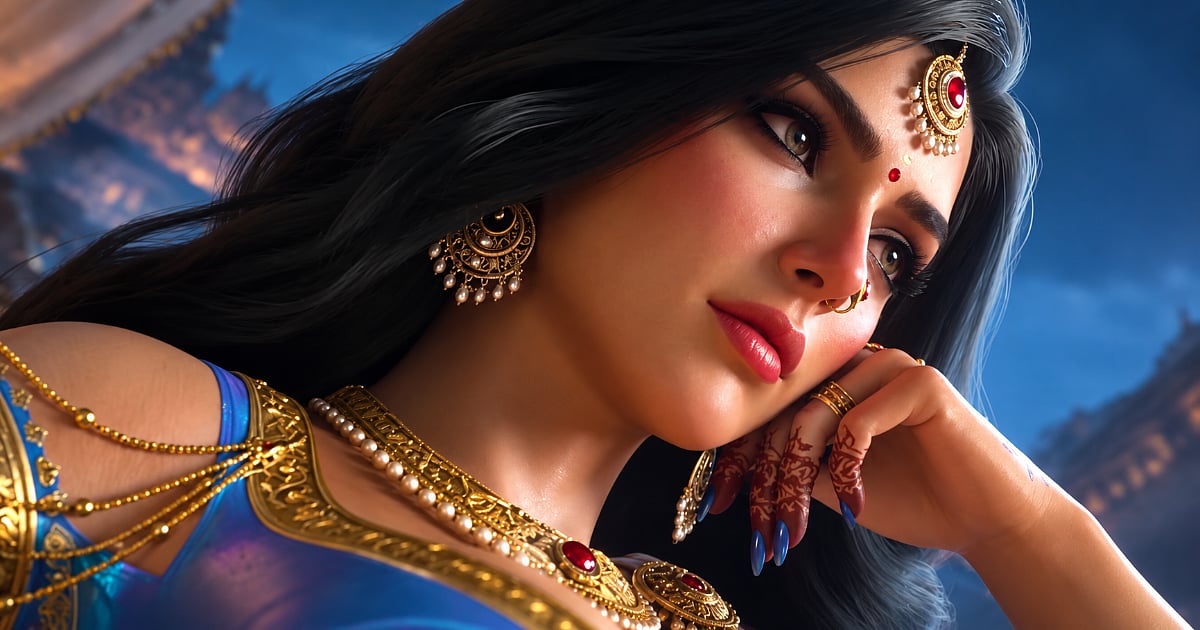
Blizzard has acknowledged the importance of inclusive and culturally respectful design practices in its development recently. One of Overwatch’s new heroes (Anran) was criticized for not being an authentic representation of a Chinese character. She will be reworked by the dev team in a future update. Overwatch’s publisher for China, Netease, will also be participating in the rework process to ensure the character’s design is in line with player expectations and the country’s culture.
The Longstanding Link Between Gaming and Governments
Governments have recognized the value of gaming technologies for years. One of the clearest examples is America’s Army, a game developed and funded by the US Army as part of its recruitment strategy.
Released in 2002, the game was not designed purely for entertainment. It functioned as a digital introduction to military life. Players went through virtual basic training, learned teamwork mechanics, and engaged in mission-based scenarios modeled on real-world operations.
By allowing players to experience structured teamwork, rules of engagement, and mission planning in a low-risk environment, the Army created a soft entry point into military culture. It framed service as technical, strategic, and collaborative.
Beyond America’s Army, the US military has also used esports events, Twitch streams, and gaming booths at recruitment fairs to reach younger audiences in spaces they already occupy.
Gaming engines are also used in simulation environments for training. These systems help model terrain, coordination, and decision-making under pressure. This makes gaming a preparation tool and a way for governments to encourage young citizens to join the army.
War, Sanctions, and Live Service Disruption
Live service ecosystems depend on uninterrupted access to players, payment systems, cloud infrastructure, and regional publishing support. Conflict can disrupt all of these at once. Following the Russia-Ukraine war, companies such as EA, Activision Blizzard, and some other publishers suspended sales in Russia.
This was not just a storefront decision. Players lost access to updates, in-game purchases became difficult or impossible, and esports ecosystems tied to the region began to fracture. Payment restrictions and sanctions created technical barriers that live service models are not built to absorb smoothly.
Studios also faced internal decisions around server support, partnerships, and localization continuity. A war thousands of miles away ended up reshaping who could play, how they could engage, and whether certain competitive scenes could function at all.
Geopolitical conflict does not just pause business. It interrupts the shared continuity that live games rely on to survive.
Global politics in gaming rarely makes headlines within the industry itself, yet its influence is felt across development, publishing, and player experience. It shapes when content launches, how monetization works, what stories get told, and even who can access a game.
For studios, these pressures have become part of long-term planning. Market stability, regulatory alignment, and geopolitical risk now sit alongside design and technical challenges. For players, the impact is more subtle. A delayed update, a redesigned character, or a missing feature may seem like routine decisions, even when the cause lies far beyond the studio walls.
Games may feel global in scope, built to connect audiences across borders. But the systems that create and sustain them remain tied to the realities of international relations.

Author
Abhimannu Das is a web journalist at Outlook India with a focus on Indian pop culture, gaming, and esports. He has over 10 years of journalistic experience and over 3,500 articles that include industry deep dives, interviews, and SEO content. He has worked on a myriad of games and their ecosystems, including Valorant, Overwatch, and Apex Legends.
Abhimannu Das is a web journalist at Outlook India with a focus on Indian pop culture, gaming, and esports. He has over 10 years of journalistic experience and over 3,500 articles that include industry deep dives, interviews, and SEO content. He has worked on a myriad of games and their ecosystems, including Valorant, Overwatch, and Apex Legends.